
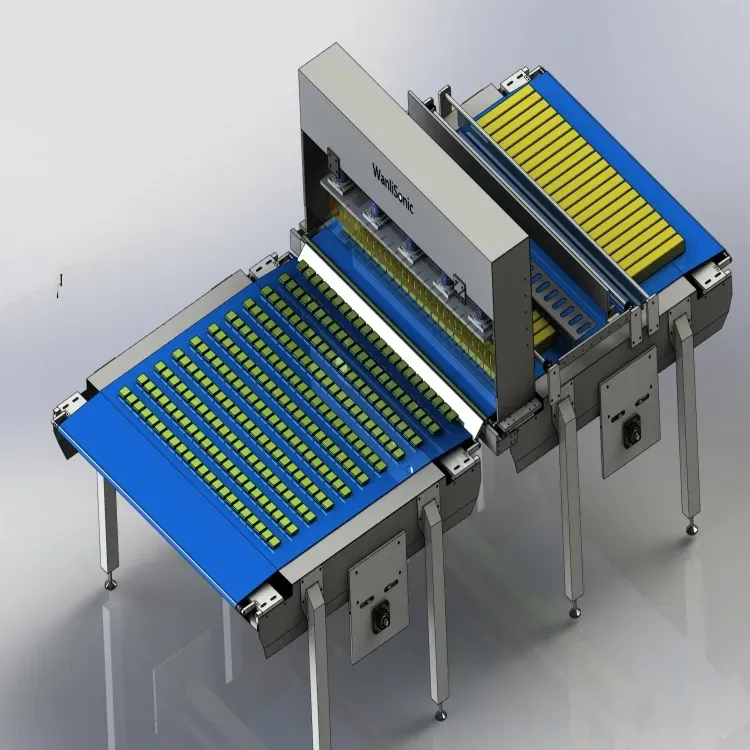
Productio nougati in magnis dimensionibus multis difficultatibus obicitur, ab invariata qualitate producti servanda usque ad velocitates secandi efficientes consequendas quae postulationibus mercati satisfaciunt. Methodi secandi tradicionales saepe laborant cum productis confectionariis adhaesivis, ducendo ad accrescentiam in cultris, sectiones irregulares, et frequentia interrupta propter maintenance. Introductio technologiae secandi provectae revolutionem fecit in modo quo fabricantes tractant elaborationem nougati, offerentes solutiones quae utrique, qualitati et curae de profectivitate respondet in operationibus confectionariis commercialibus.
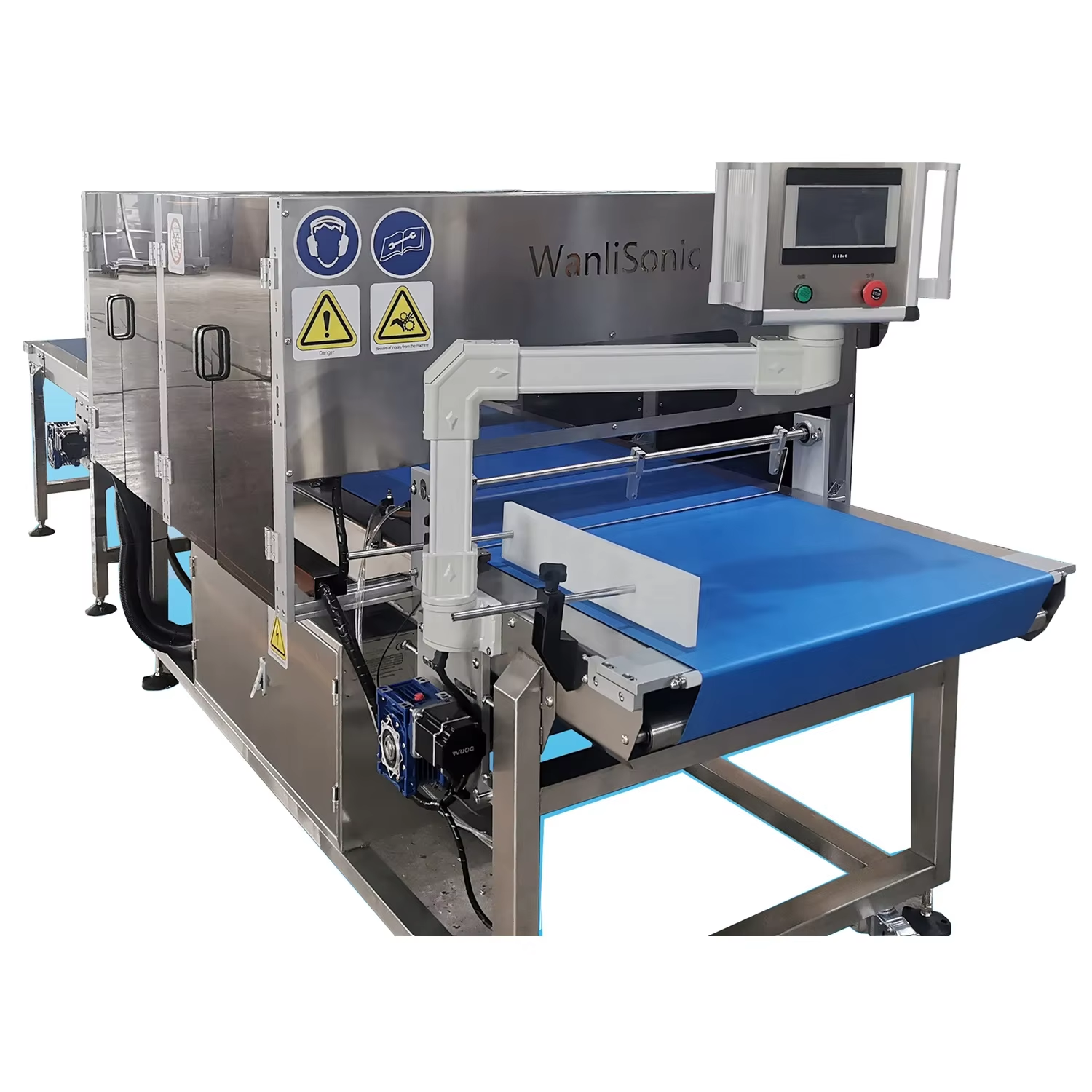
Fabricantes confectionariorum hodierni solutiones secandi requirunt quae productionem magni voluminis tractare possunt, dum integritatem et aspectum productorum nougat delicatorum servant. Evolutio ex methodis secandis manualibus ad systemata automata productionem penitus mutavit, permittens mercatoribus operationes efficaciter augere. Intellectus praecipuorum commodorum technologiaram secandi provectarum necessarius fit pro fabricantibus qui lineas suarum productionum optime efficiunt et praerogativas competitivas in crescente foro confectionariorum servant.
Praecisio Secandi Meliorata et Qualitas Producti
Qualitas Secandi Superior et Constantia
Praegressa sectio technologia praestantem praecisionem adfert in processu nougati, producens munda et uniformia secta quae systemata traditiva gladii consequi non possunt. Vibrationes altae frequentiae tollunt communia problemata trahendi, lacerandi, vel confringendi quae methodos secandi conventionales vexant. Haec praecisio certum facit ut singula particula formam et magnitudinem suam servet, quod ob efficacitatem impaquetandi et gratiam consumptori in locis venditionis necessarium est.
Concordantia per technologiam ultrasonicam consecuta directe ad meliorem presentationem producti et minorem inutilitatem pertinet. Fabricantes significativas emendationes in qualitate sectionis nuntiant, cum marginibus lenioribus et minima distortione producti. Haec accuratior praecisio speciatim pretiosa evadit cum varietates nougati, quae nuclei, fructus sicos, aut alia continent, tractantur, quae saepe difficultates secandi cum methodis traditionalibus creant.
Minuta Producti Inutilitas et Emendata Reditus
Methodi tradicionales secandi saepe ducunt ad magnam damnum productorum propter sectiones irregulares, accumulationem in laminis, et necessitudinem recidendi margines laesos. Technologia progressa secandi minuit haec mala per sectiones puras quae nullum processum secundarium vel ablationem damni requirunt. Emendatio redditus directe afficit lucrum, quia fabricatores possunt maximizare partem usabilem producti e singulis partibus productis.
Reductio damni longius patet quam ipse processus secandi. Cum magnitudines partium sint constantiores, efficiencia impaquetandi melioratur, et producta rejecta raro fiunt propter variationes magnitudinis. Haec ratio comprehensiva ad reducendum damnum magnam differentiam facit in operationibus magnis ubi etiam parvae incrementationes percentuales ad magnas conservationes pecuniae et redditum crescentem convertuntur.
Efficientia Operationalis et Velocitas Productionis
Velocitas Et Transmissio Processus Aucta
Technologia recisionis ad altam frequentiam velocitates elaborandi per comparationem cum methodis traditionalibus magnopere augent, ut manufactureri crescentes necessitudines mercati satisfacere possint sine spatio fabricae amplificando nec sine mercede laboratorum augenda. Actio celeris secandi productionem continuam paucissimis interruptionibus permittit, quae fluxum totum multum auxit. Haec efficentia aucta praesertim pretiosa est in temporibus summi operis vel magno ordini adstringendo cum tempore arcto.
Praeventiones velocitatis ultra actionem ipsam secandi extenduntur. Cum opus sit minus curae cultris et minus interruptionibus productionis, manufactureri consequi possunt tempora productionis constantiora. Haec firmitas in tempore productionis meliorem rationem et coordinationem cum processibus ulterioribus permittit, qua efficentia manufacturandi generalis et contentio clientium per tempora dationis certiora meliorantur.
Minutae Necessitationes Respectu Mancipationis et Interruptiones
Unum ex praecipuis emolumentis operationalibus oritur ex minoribus opus manutentionis comparatum cum traductionalis systematis secandi. Actio sese-purgans technologiae ultrasonicae prohibet accumulationem producti in superficiebus secantibus, tollens necessitudinem frequentium cyborum purgationis quae requiruntur cum gladiis conventionalibus. Haec diminutio temporis cessantis propter manutentionem efficit plures horas operationis productivas et minores expensas laboris associatas cum servitio instrumentorum.
Prolongata tempora operationis inter cyclos manutentionis etiam conferunt ad magis praedictabiles schedulas productionis. Fabricantes possunt programmare curricula productionis fiducia maior, sciendo quod inopinata cessatio instrumentorum minus probabiliter operationes turbabit. Haec firmitudo fit crucialis ad mercatura operantia in strictis horariis vel servientia clientibus cum exigentiis duriusculis de distributione, praebebit vantagium competitivum in foro.
Utilitas Ponderata et Reditus pro Investmento
Beneficia oeconomica longi temporis
Investitio in ultrasonic Nougat Sectio Machina technologia redditus oeconomicos longi temporis per multas vias praebet. Minor damnum productorum, minoresque sumptus in conservatione, una cum meliorata efficientia productionis, rationes redditus superandum creant. Multi fabricantes periodum recuperationis inter 12–18 menses referunt, prout volumina productionis et sumptus operationales currentes varient.
Commoda oecnomica ultra meras pecuniae conservationes extenduntur, amplectens opportunitates auferendae accessionis. Maior qualitas et constantia productorum strategias pretii superioris adiuvare possunt, dum aucta capacitas productionis fabricantes maiora foedera capere atque partem mercati augere sinunt. Haec opportunitas lucri saepe pretiosior quam solae conservationes directae probatur, ita ut investitura ex multis perspectivis pecuniariis gratiosa sit.
Efficientia Energetica et Impactus Environmentalis
Tecnologia recentior sectionis significantes praestat in efficientia energiae comparata cum methodis tradicionalibus, minorem vim consumens dum meliorem praebet functionem. Exacta applicatio energiae requirimenta vim totalem minuit, contribuens ad imminutionem impensarum operationum et sustinens initiativa corporativa pro durabilitate.
Emolumenta environmentalia longius procedunt quam sola consumptio energiae, includendo imminutionem generationis damni et vitae spatia instrumentorum productorum prolongata. Cum minori damno producto et minoribus partibus consumtabilibus substituendis, vestigium environmentale totius operum productionis multum minuitur. Haec emendationes in durabilitate consentiunt cum optionibus consumerum pro practicis fabricandis responsabiliter environmentaliter et possunt sustinere initiativa marketing nuntiantia responsabilitatem corporativam environmentallem.
Emolumenta Hygiena et Securitatis Alimentariae
Sanitas Meliorata et Efficiens Purificatio
Requisitiones securitatis cibi in fabricando confectis exigunt rigidas caerimonias sanitarias, et technologia provecta secandi has artes multum facillimat. Actio sese purgans systematum ultrasonicorum opportunitates proliferationis bacterialis minuit et pericula contaminationis inter partus productorum imminuit. Haec facultas sanitatis melioratae adiuvat fabricantes ad strictas normas securitatis cibi implendas, pariter tempus et res necessarias ad purgandum machinas minuens.
Litterae levigatiores et lacunae minores in systematibus sectionis ultrasonica procedurae purificationis efficaciores faciliorem reddunt. Systemata tradita laminarum saepe plures superficies et iuncturas habent, ubi residua productorum accumulari possunt, fontes contaminationis potestiales creantes. Designatio simplicior systematum recentiorum multas harum partium difficultatum tollit, purificationem diligenter celeriorem et fideliorem reddens, simul cum analysibus periculo completis puncti critici protocollis favens.
Conformitas cum Normis Industriae
Consecutio regulaminum industriae cibariae et praemiorum certificatorum facilior evadit cum technologia sectiva provecta quae specialiter ad applicationes processuum cibariorum comparata est. Materiae et methodi constructionis in his systematibus usae cum normis internationalibus tuitii ciborum consentiunt, documentationem et indagabilitatem subministrantes quam examinatores regulatorii requirunt. Haec auxilia complientiae onus administrativum in manufactoribus minuunt et fiduciam in inspectionibus regulatoriis praebent.
Facultas ostendendi constantes praxibus de securitate cibi per eligitur equipment sustinet latiora systemata gestionis qualitatis et certificati conservationem. Multi fabricantes inveniunt technologiam sectilem sublata firmissam facere programmatum suorum securitatis cibi, praebendo argumenta de studio ad qualitatem producti et protectionem consumptorum quae resonant cum auctoritatibus regulativis et clientibus de praxibus securitatis cibi sollicitis.
Versatility and Adaptability in Production
Capacitas Multiplex et Flexibilitas
Systemata moderna sectilia mirabilem versatilitatem offerunt in tractando diversis compositionibus nucati et aliis productis confectoriis. Facultas parametrorum secandi ad varias densitates productorum, temperaturas et compositiones accommodandos has systematas pretiosas investitiones reddit pro fabricantibus plures lineas producentibus. Haec flexibilitas indigentiam apparatus sectilis specialis pro unaquaque specie producti minuit, utilitationem apparatus capitalis optime efficiens.
Adaptabilitas patet ad tractandum variationes productorum per stagiones et initiativas evolutionis productorum novorum. Quamquam praefertiones consumerum evolvuntur et varietates nougat novae excogitantur, systema secandi his mutationibus obtemperare potest sine magnis modificationibus aut substitutionibus apparatum requiritis. Haec facultas futuris immunis facti investitionis valorem tuetur et strategias incrementi negotii fovet quae in innovatione productorum et responsione ad mercatum dependebant.
Scalabilitas pro crescentibus operationibus
Natura modularis systematum secandi provectiorum permittit fabricantibus ut operationes paulatim augeant dum negotium crescit. Stationes secandi additamentales in lineas productionis iam existentes integrari possunt, spatium augendo sine totius systematis substitutione. Haec scalabilitas strategias incrementi gradualis negotii fovet et periculum finantiare minuit quod magnis investitionibus apparatus in conditionibus mercati incertis coniunctum est.
Facultas integrendi cum iam existente productionis infrastructura minimam perturbationem efficit durante instrumentorum emendationibus vel accessionibus capacitis. Fabricatores emendationes implementare possunt durante periodis coadunationis praestitis, vitantes longiores productionis interruptiones quae clientium relationes aut mercati positionem afficere possent. Haec operativa continuitas durante auctiunculis significantia praemia competitiva in dynamicis mercatorum mediis praebet.
FAQ
Quomodo technologia recisionis ultrasonica a traditionale cultro recidendi in productione nucalis differt
Tecnologia caedendi ultrasonica vibrationes ad altam frequentiam utitur ad praecisas sectiones efformandas sine tractu et laceratione quae apud tradita cultra frequenter eveniunt. Haec ratio accumulationem producti in superficiebus secantibus prohibet, necessitatem crebrae cultellorum purificationis tollit, et qualitatem sectionis constantiorem efficit. Vibrationes fricitionem inter instrumentum caedens et superficiem tenacem nucalis efficaciter minuunt, resultantes in marginibus levioribus et meliore presentatione producti.
Quae genera productorum nucalium maxime a systematibus caedendi ultrasonicis proficiunt
Omnes varietates nucalium a sectione ultrasonica proficiunt, sed producta nuclei, fructus siccis aut aliis ingredientibus continentia emendationes maximas ostendunt. Haec ingredientia difficilia saepe problemata cum methodis traditis secandi creant, ducendo ad sectiones irregulares et damnum producti. Nucalia mollia et compositiones sensibiles ad temperaturam etiam profecto a fricione minuta et generatione caloris in tecnologia caedendi ultrasonica gaudent.
Quot tempus fere opus est ut reditus super investitionem in apparatus incisionis ultrasonici videatur
Plurimi fabricantes periodos recuperationis inter 12–18 menses referunt, prout volumina productionis et currentes operationes impensae variant. Reditus ex multis fontibus oritur, inter quos sunt minor damnum productorum, minores impensae pro maintenance, celeritas productiva meliorata, et qualitas emendata producti quae pretiis praestantioribus subvenire possunt. Operationes magni voluminis saepe breviorem recuperationis periodum experiuntur, quia maior est effectus emendationum efficentiae in tota lucrativitate.
Quae sunt praecipua mandata de cura et conservatione quae fabricantes systematum incisionis ultrasonicae exspectare debent
Systemata sectionis ultrasonica multo minus maintenancee egent quam instrumenta sectionis tradititionales, propter actionem suam purgantem et minorem frictionem mechanicam. Maintenancee certatim inspectionem periodici generatrum ultrasonicorum, verificationem parametrorum sectionis, et procedura purgandi communia complectitur. Absentia substitutionis cultrorum et rara frequentia purgandi in minoribus impensis maintenanceis et minus tempore cessante productii exsistant, comparate cum methodis sectionis conventionalibus.
Index Rerum
- Praecisio Secandi Meliorata et Qualitas Producti
- Efficientia Operationalis et Velocitas Productionis
- Utilitas Ponderata et Reditus pro Investmento
- Emolumenta Hygiena et Securitatis Alimentariae
- Versatility and Adaptability in Production
-
FAQ
- Quomodo technologia recisionis ultrasonica a traditionale cultro recidendi in productione nucalis differt
- Quae genera productorum nucalium maxime a systematibus caedendi ultrasonicis proficiunt
- Quot tempus fere opus est ut reditus super investitionem in apparatus incisionis ultrasonici videatur
- Quae sunt praecipua mandata de cura et conservatione quae fabricantes systematum incisionis ultrasonicae exspectare debent