
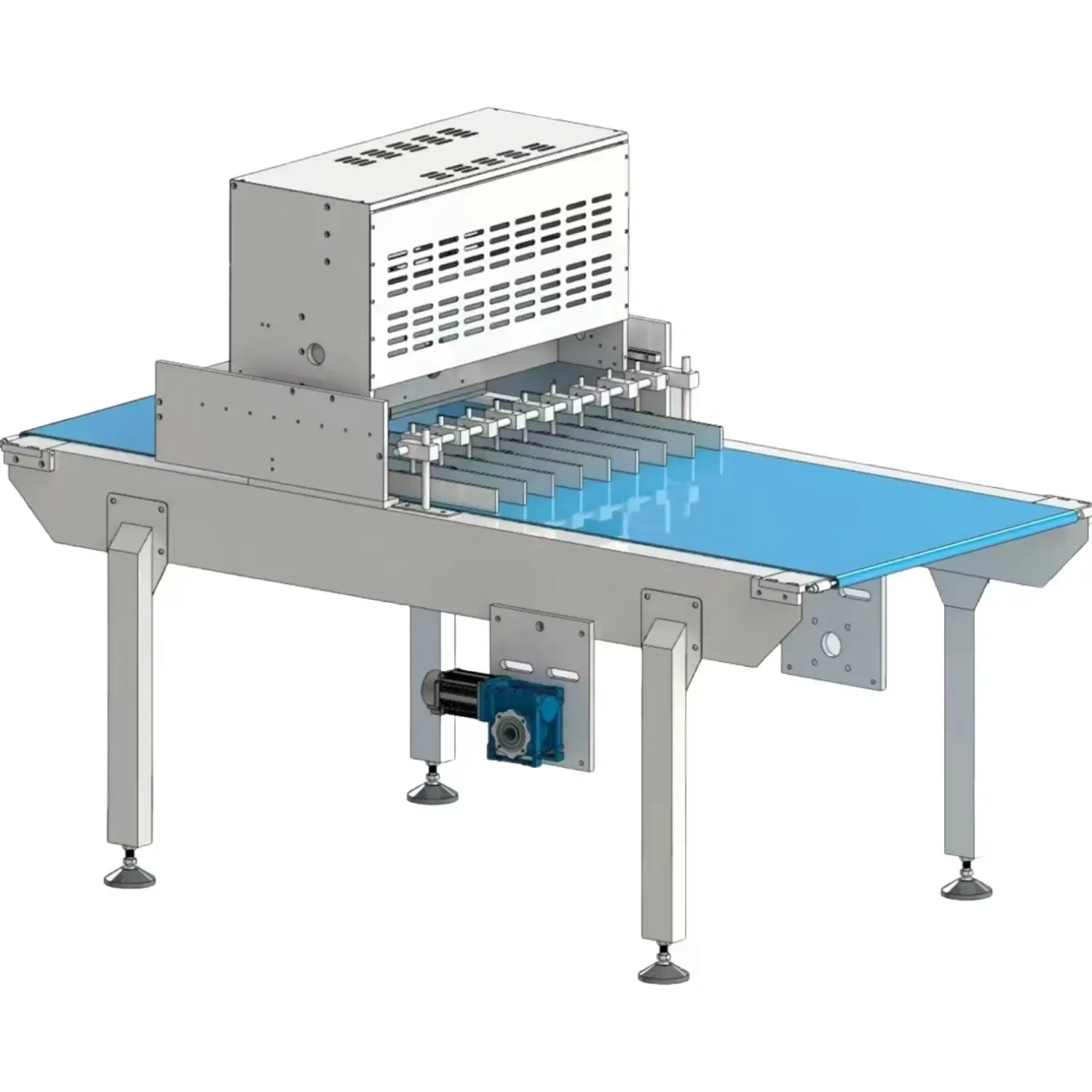
In the fast-paced world of commercial baking, achieving consistent product quality while maximizing efficiency remains a cornerstone challenge for manufacturers. The role of precision equipment in mass production cannot be overstated, particularly when it comes to creating uniform shapes that meet both aesthetic and functional requirements. Modern bakeries rely heavily on advanced cutting technologies to ensure that every product maintains the same dimensions, weight, and visual appeal that consumers expect from premium baked goods.
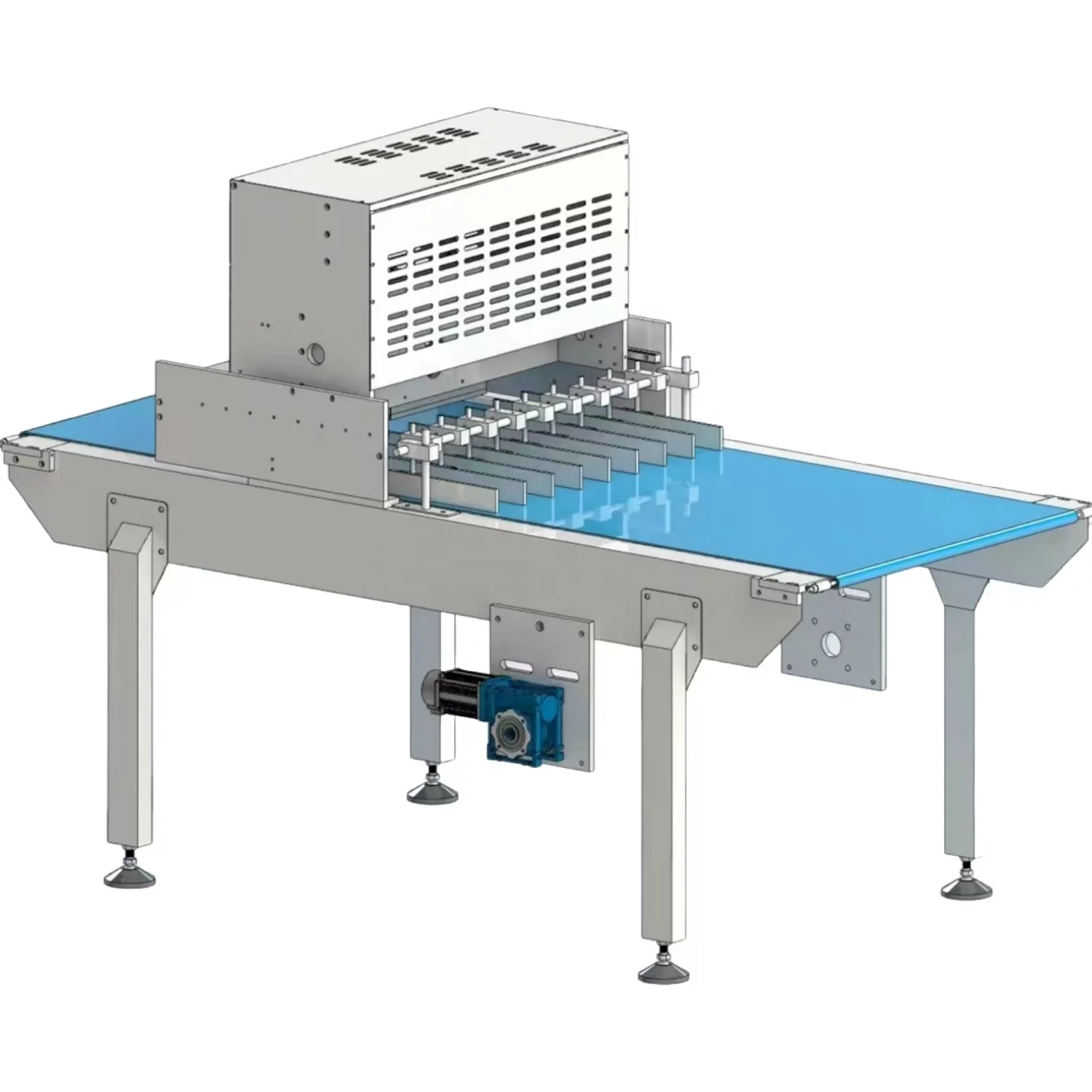
The evolution of cookie cutting technology has transformed from simple manual tools to sophisticated automated systems that can process thousands of units per hour. Industrial cookie cutter machines incorporate precision engineering principles that guarantee reproducible results across large production runs. These systems utilize advanced blade configurations, pressure control mechanisms, and positioning technologies to deliver consistent cutting performance that manual methods simply cannot match in high-volume operations.
Understanding how cookie cutter technology supports uniform shapes requires examining the intricate relationship between cutting mechanics, dough properties, and production parameters. The science behind effective cookie cutting involves controlling variables such as cutting speed, pressure distribution, blade sharpness, and dough temperature to achieve optimal results. Professional bakeries invest in specialized equipment that can accommodate different cookie types while maintaining the precision necessary for brand consistency and customer satisfaction.
Mechanical Precision in Cookie Cutting Systems
Advanced Blade Technology and Design
Modern cookie cutter systems employ sophisticated blade technologies that ensure clean, precise cuts through various dough consistencies. The design of cutting blades incorporates specific angles, materials, and edge geometries that minimize dough adhesion while maximizing cutting efficiency. High-grade stainless steel blades maintain their sharpness longer and resist corrosion, which is essential for maintaining consistent cutting performance throughout extended production cycles.
The configuration of cookie cutter blades can be customized to accommodate different product specifications, from delicate shortbread cookies to dense oatmeal varieties. Multiple blade arrangements allow for simultaneous cutting of several cookies, dramatically increasing throughput while maintaining uniform dimensions. The precision engineering involved in blade manufacturing ensures that each cutting edge maintains the exact specifications required for consistent product quality.
Pressure Control and Distribution Systems
Achieving uniform cookie shapes requires precise control over cutting pressure applied during the cutting process. Advanced cookie cutter machines incorporate hydraulic or pneumatic pressure systems that deliver consistent force across the entire cutting surface. This uniform pressure distribution prevents irregular shapes that can result from uneven cutting forces, ensuring that each cookie maintains the same thickness and edge definition.
The ability to adjust cutting pressure based on dough characteristics allows operators to optimize the cutting process for different recipes and formulations. Softer doughs may require gentler pressure to prevent deformation, while firmer doughs might need increased force to achieve clean cuts. This adaptability makes modern cookie cutter systems versatile tools capable of handling diverse product lines within the same production facility.
Production Efficiency and Consistency Benefits
Automated Positioning and Alignment
Precision positioning systems in modern cookie cutter equipment ensure that each cut is made in exactly the right location, minimizing waste and maximizing yield from each sheet of dough. Computer-controlled positioning mechanisms can accommodate various cookie sizes and shapes while maintaining optimal spacing between cuts. This automation eliminates human error that could lead to inconsistent spacing or misaligned cuts in manual operations.
The integration of servo motors and digital controls allows for micro-adjustments in positioning accuracy, ensuring that cookie cutter operations maintain tolerances measured in fractions of millimeters. Such precision is crucial for maintaining consistent portion weights, which directly impacts both product quality and cost control in commercial baking operations. Automated systems can also adapt to different dough sheet sizes without requiring manual recalibration.
Speed and Throughput Optimization
High-speed cookie cutter systems can process hundreds of cookies per minute while maintaining the precision necessary for uniform shapes. The coordination between cutting mechanisms, dough feeding systems, and product removal ensures continuous operation without compromising quality standards. Variable speed controls allow operators to optimize throughput based on specific product requirements and quality objectives.
The efficiency gains achieved through automated cookie cutter technology extend beyond simple speed increases to include reduced labor requirements and improved product consistency. Consistent cutting performance reduces the need for manual quality checks and rework, allowing production teams to focus on other value-added activities. This operational efficiency translates directly into improved profitability for commercial baking operations.
Quality Control and Standards Compliance
Dimensional Accuracy and Repeatability
Maintaining dimensional accuracy across thousands of cookies requires equipment capable of repeating the same cutting operation with minimal variation. Modern cookie cutter systems incorporate feedback mechanisms that monitor cutting performance and make real-time adjustments to maintain specified dimensions. This continuous monitoring ensures that product specifications remain within acceptable tolerances throughout the production run.
Statistical process control integration allows operators to track cutting performance metrics and identify potential issues before they affect product quality. Digital measurement systems can detect variations in cookie dimensions that might not be visible to human operators, enabling proactive adjustments that maintain consistency. This level of quality control is essential for meeting strict food industry standards and customer expectations.
Hygienic Design and Maintenance
Food safety considerations drive the design of modern cookie cutter equipment, with emphasis on easy cleaning and sanitization procedures. Smooth surfaces, minimal crevices, and quick-disconnect fittings facilitate thorough cleaning between production runs and reduce the risk of cross-contamination. The materials used in cookie cutter construction must meet food-grade standards while providing the durability necessary for continuous operation.
Preventive maintenance programs for cookie cutter equipment help ensure consistent performance and extend equipment life. Regular blade sharpening, lubrication of moving parts, and calibration of control systems maintain the precision necessary for uniform cookie production. Proper maintenance also reduces the likelihood of unexpected breakdowns that could disrupt production schedules and compromise product quality.
Technology Integration and Innovation
Digital Controls and Monitoring Systems
Advanced cookie cutter systems incorporate sophisticated control systems that allow operators to program specific cutting parameters for different cookie types. Digital interfaces provide real-time feedback on cutting performance, enabling immediate adjustments when variations are detected. These systems can store multiple cutting programs, allowing for quick changeovers between different products without lengthy setup procedures.
Integration with factory management systems enables cookie cutter equipment to communicate production data and performance metrics to centralized monitoring systems. This connectivity supports data-driven decision making and helps identify opportunities for process optimization. Remote monitoring capabilities allow technical support teams to diagnose issues and provide assistance without requiring on-site visits.
Ultrasonic Cutting Technology
Emerging ultrasonic cutting technology offers new possibilities for achieving extremely precise cookie shapes while minimizing dough disturbance. Ultrasonic cookie cutter systems use high-frequency vibrations to create clean cuts through even the most delicate dough formulations. This technology is particularly beneficial for products containing inclusions like chocolate chips or nuts that might be displaced by traditional cutting methods.
The precision achievable with ultrasonic cookie cutter technology enables the production of intricate shapes and patterns that would be difficult or impossible with conventional cutting methods. This capability opens new possibilities for product differentiation and premium positioning in competitive markets. The gentle cutting action also reduces dough waste and improves overall production efficiency.
Economic Impact and ROI Considerations
Cost Reduction Through Waste Minimization
Precise cookie cutter technology significantly reduces ingredient waste by optimizing cutting patterns and minimizing trim. Advanced nesting algorithms can arrange cookie shapes to maximize utilization of each dough sheet, reducing the amount of scrap material that must be reprocessed. This efficiency improvement directly impacts ingredient costs, which represent a significant portion of production expenses in commercial baking.
Consistent cookie dimensions also reduce packaging waste and improve filling efficiency for retail containers. When every cookie maintains the same size and shape, packaging becomes more predictable and efficient, reducing material costs and improving product presentation. The uniformity achieved through precision cookie cutter technology also reduces customer complaints and returns related to product inconsistency.
Labor Efficiency and Skill Requirements
Automated cookie cutter systems reduce the skilled labor requirements for achieving consistent product quality, allowing bakeries to maintain production standards even with varying levels of operator experience. The standardization provided by precision cutting equipment reduces training time and helps ensure consistent results regardless of which operator is running the equipment.
The reduction in manual handling associated with automated cookie cutter systems also decreases the risk of repetitive strain injuries and improves workplace safety. Operators can focus on monitoring and optimization rather than performing repetitive cutting motions, leading to improved job satisfaction and reduced turnover. These human factors contribute significantly to the overall return on investment for precision cutting equipment.
FAQ
What factors determine the optimal cutting speed for different cookie types
The optimal cutting speed for cookie cutter operations depends on several factors including dough consistency, thickness, and the presence of inclusions like chocolate chips or nuts. Softer doughs typically require slower cutting speeds to prevent deformation, while firmer doughs can accommodate higher speeds without compromising shape integrity. The cutting mechanism type, whether rotary, linear, or ultrasonic, also influences the maximum achievable speed while maintaining quality standards.
How do modern cookie cutter systems handle different dough formulations
Advanced cookie cutter systems incorporate adjustable parameters such as cutting pressure, blade configuration, and timing sequences to accommodate various dough formulations. Programmable controls allow operators to store specific settings for different recipes, enabling quick changeovers without extensive recalibration. Some systems include automatic dough detection features that can adjust cutting parameters based on measured dough properties such as firmness or moisture content.
What maintenance practices are essential for maintaining cutting precision
Maintaining cutting precision in cookie cutter equipment requires regular blade sharpening or replacement, calibration of positioning systems, and cleaning of cutting surfaces to prevent dough buildup. Lubrication of moving components according to manufacturer specifications ensures smooth operation and prevents premature wear. Regular inspection of pressure systems, sensors, and control components helps identify potential issues before they affect cutting quality or cause equipment failures.
How does cookie cutter technology impact overall production line efficiency
Cookie cutter technology significantly impacts production line efficiency by providing consistent product dimensions that facilitate downstream processes such as baking, cooling, and packaging. Uniform cookie shapes ensure even heat distribution during baking, reducing the need for manual sorting and improving overall product quality. The precision and speed of modern cookie cutter systems also eliminate bottlenecks that might otherwise limit production capacity, allowing other equipment in the line to operate at optimal efficiency levels.