
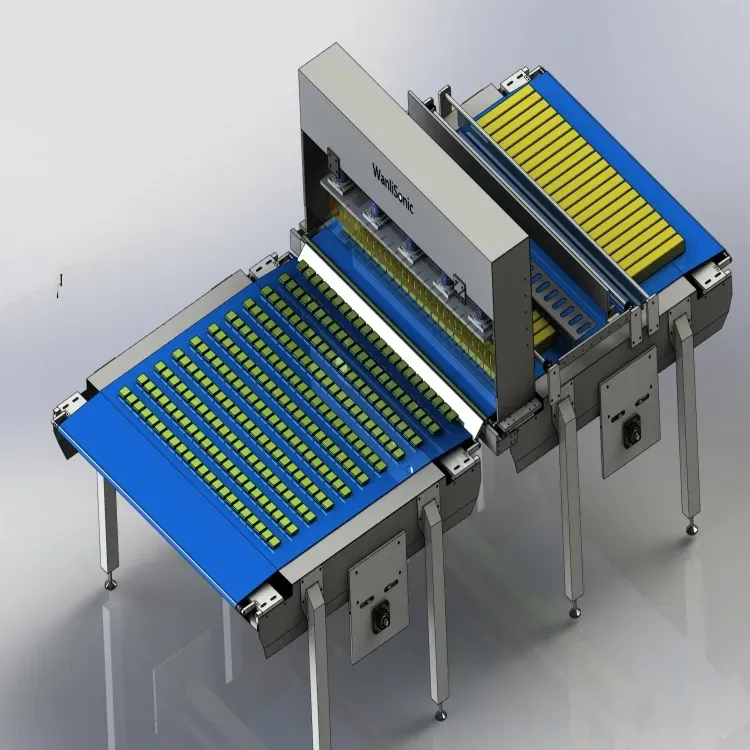
Modern bakeries face unprecedented challenges in meeting consumer demand while maintaining consistent product quality and operational efficiency. The integration of advanced equipment has become essential for high-volume operations seeking to streamline production processes and maximize profitability. A commercial cake cutting machine represents a transformative solution that addresses multiple operational bottlenecks simultaneously, enabling bakeries to scale their production capabilities while ensuring uniform product presentation and minimizing labor costs.
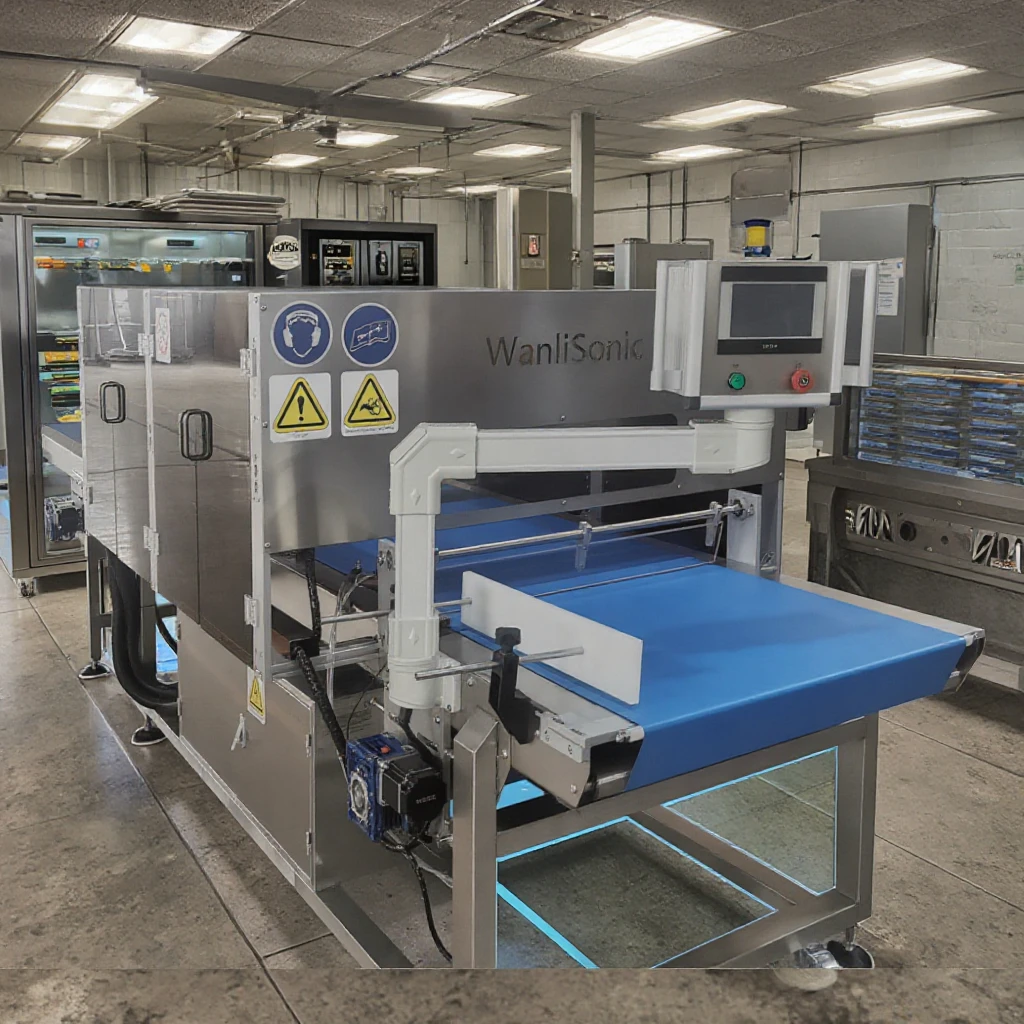
The evolution of bakery equipment technology has revolutionized how commercial operations approach cake production and finishing. Traditional manual cutting methods, while still viable for artisanal establishments, cannot match the speed, precision, and consistency required in high-volume environments. Contemporary cake cutting machines utilize advanced ultrasonic technology and precision engineering to deliver clean, accurate cuts that preserve product integrity while dramatically reducing processing time.
Production Efficiency Enhancement Through Automated Cutting
Speed and Throughput Optimization
A professional cake cutting machine significantly accelerates production timelines by eliminating the manual labor traditionally associated with cake portioning and slicing operations. Modern ultrasonic systems can process dozens of cakes per hour with mathematical precision, compared to manual methods that require skilled workers and considerably more time per unit. This acceleration enables bakeries to fulfill larger orders within tighter deadlines while maintaining consistent quality standards across all products.
The throughput capabilities of advanced cutting systems directly correlate with revenue generation potential. Bakeries utilizing automated cutting solutions report productivity increases of up to 300% compared to manual operations, allowing them to accept higher-volume contracts and expand their market reach. The consistent processing speed also enables more accurate production planning and inventory management, reducing waste and improving overall operational efficiency.
Labor Resource Allocation
Implementing a cake cutting machine allows bakeries to reallocate skilled labor from repetitive cutting tasks to value-added activities such as decorating, recipe development, and customer service. This strategic redeployment of human resources enhances overall productivity while improving job satisfaction among staff members who can focus on more creative and engaging aspects of bakery operations.
The reduction in manual cutting requirements also minimizes the risk of repetitive strain injuries among workers, creating a safer working environment while reducing potential workers' compensation claims and associated costs. Automated cutting systems require minimal operator intervention, allowing a single technician to oversee multiple production lines simultaneously.
Quality Control and Consistency Benefits
Precision Cutting Technology
Ultrasonic cake cutting machines deliver unparalleled precision through high-frequency vibration technology that creates clean cuts without dragging or deforming delicate cake structures. This technology is particularly beneficial for multilayer cakes, cream-filled products, and items with delicate decorative elements that could be damaged by traditional cutting methods. The precision of automated systems ensures uniform portion sizes, which is crucial for cost control and customer satisfaction.
The consistency achieved through mechanical cutting eliminates human variability factors that can result in uneven portions or damaged products. Each cut is executed with identical parameters, ensuring that every slice meets the same quality standards regardless of production volume or time of day. This reliability is essential for maintaining brand reputation and customer trust in commercial bakery operations.
Product Presentation Standards
Professional cake cutting equipment preserves the visual appeal of finished products by minimizing crumb generation and maintaining clean cut surfaces. The smooth, professional appearance of machine-cut products enhances their marketability and allows bakeries to command premium pricing for their offerings. Clean cuts also extend product shelf life by reducing exposed surface area that could lead to moisture loss or contamination.
The ability to achieve consistent presentation standards across all products strengthens brand identity and customer expectations. Uniform slicing creates a professional appearance that distinguishes commercial bakery products from homemade alternatives, supporting premium positioning in the marketplace.
Economic Impact and Return on Investment
Cost Reduction Analysis
The initial investment in a cake cutting machine generates substantial long-term cost savings through reduced labor requirements, improved yield efficiency, and decreased product waste. Automated cutting systems minimize material loss by optimizing cut patterns and reducing human error, directly impacting profit margins on every product processed through the system.
Energy efficiency considerations also contribute to ongoing operational cost reductions. Modern cutting machines are designed with energy conservation in mind, utilizing advanced motor technology and optimized power consumption patterns that minimize electricity costs while maintaining peak performance levels throughout extended production runs.
Scalability and Growth Potential
Automated cutting solutions provide bakeries with the flexibility to scale production capacity without proportional increases in labor costs or facility requirements. This scalability enables businesses to pursue growth opportunities and expand into new markets without significant infrastructure investments or operational complexity increases.
The modular nature of modern cake cutting systems allows for incremental capacity expansion as business demands grow. Additional cutting stations can be integrated into existing production lines without disrupting ongoing operations, providing a clear path for sustainable business growth and market expansion.
Technology Integration and Operational Workflow
Production Line Integration
Contemporary cake cutting machines are designed for seamless integration with existing bakery production workflows. These systems can be positioned at strategic points within the production line to maximize efficiency while minimizing handling requirements and potential product damage. The compact footprint of modern units allows for installation in space-constrained environments without compromising operational flow.
Integration capabilities extend to digital control systems that can interface with bakery management software for production tracking, quality control monitoring, and inventory management. This connectivity enables real-time production monitoring and data collection that supports continuous improvement initiatives and operational optimization efforts.
Maintenance and Reliability Considerations
Professional cake cutting equipment is engineered for durability and minimal maintenance requirements, ensuring consistent performance throughout extended production cycles. Routine maintenance procedures are typically straightforward and can be performed by in-house staff, minimizing downtime and service costs while maintaining optimal cutting performance.
The reliability of modern cutting systems reduces the risk of production delays and ensures consistent output quality even during peak demand periods. Robust construction and quality components minimize the likelihood of unexpected failures that could disrupt production schedules or compromise product quality standards.
Hygiene and Food Safety Compliance
Sanitation Standards
Stainless steel construction and streamlined designs facilitate thorough cleaning and sanitization procedures required for food safety compliance. Cake cutting machines are engineered to meet stringent hygiene standards while providing easy access to all surfaces that come into contact with food products. This design approach minimizes bacterial growth risks and ensures compliance with health department regulations.
Automated cutting systems reduce human contact with food products, minimizing contamination risks and supporting HACCP compliance initiatives. The enclosed cutting environment provides additional protection against airborne contaminants and cross-contamination between different product types or flavors.
Regulatory Compliance
Commercial cake cutting equipment is manufactured to meet or exceed food safety regulations and industry standards for commercial food processing equipment. Compliance certifications provide bakeries with confidence that their equipment meets all necessary requirements for safe food handling and processing operations.
Documentation and traceability features built into modern systems support audit requirements and quality assurance protocols. These capabilities are essential for maintaining certifications and demonstrating compliance during regulatory inspections or customer audits.
FAQ
What types of cakes can be processed with commercial cutting machines
Commercial cake cutting machines are designed to handle a wide variety of cake types including layer cakes, sheet cakes, cheesecakes, frozen desserts, and specialty items with cream fillings or delicate decorations. The ultrasonic technology used in advanced systems is particularly effective for products that would be difficult to cut cleanly using traditional methods, such as ice cream cakes or items with multiple texture layers.
How much space is required for installing a cake cutting machine
Most commercial cake cutting machines have a compact footprint designed for efficient use of bakery floor space. Typical units require approximately 6-8 feet of linear space along a production line, with additional clearance for operator access and maintenance. The exact space requirements vary by model and configuration, but manufacturers design these systems to maximize functionality while minimizing space consumption in commercial kitchen environments.
What is the typical return on investment period for cake cutting equipment
The return on investment for cake cutting machines typically ranges from 12-24 months, depending on production volume and labor cost savings. High-volume operations often see payback periods closer to 12 months due to significant labor cost reductions and increased throughput capacity. The calculation should include direct labor savings, reduced waste, improved product consistency, and the ability to take on larger orders that may not have been feasible with manual cutting methods.
How does automated cutting affect product shelf life and quality
Automated cake cutting typically improves product shelf life by creating cleaner cuts with minimal surface disruption, reducing exposed area that could lead to moisture loss or contamination. The precision of machine cutting also ensures consistent portion sizes and maintains the structural integrity of decorated cakes better than manual methods. Additionally, reduced handling during the cutting process minimizes the risk of damage or contamination that could affect product quality or safety.