
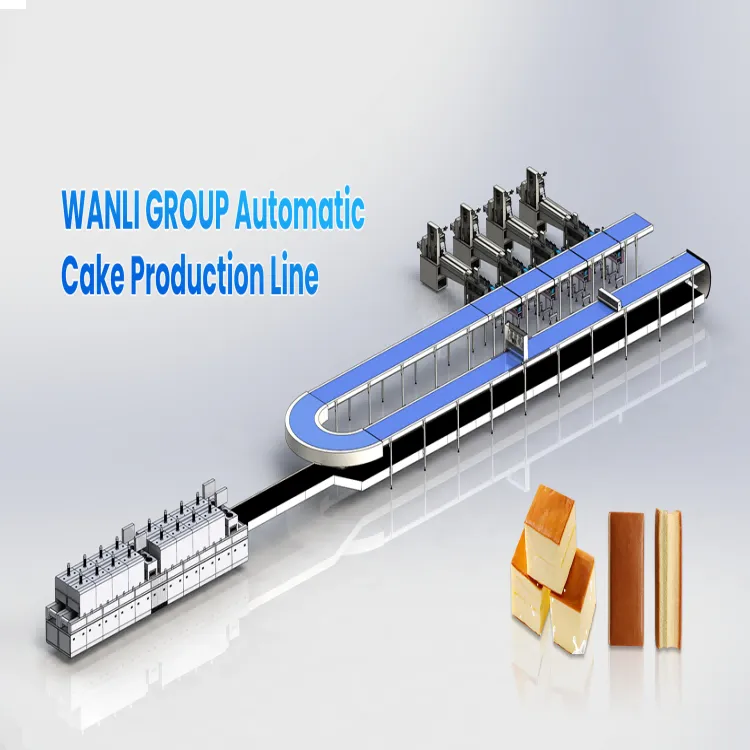
In the modern bakery industry, precision and presentation are paramount to success. Traditional cutting methods often result in unsightly crumbs, compressed layers, and deformed cake structures that compromise both visual appeal and customer satisfaction. The revolutionary ultrasonic cake cutting machine has emerged as a game-changing solution, utilizing high-frequency vibrations to achieve clean, precise cuts while maintaining the structural integrity of delicate baked goods. This innovative technology transforms the way commercial bakeries and food production facilities approach cake cutting, delivering consistently professional results that elevate product quality and reduce waste.
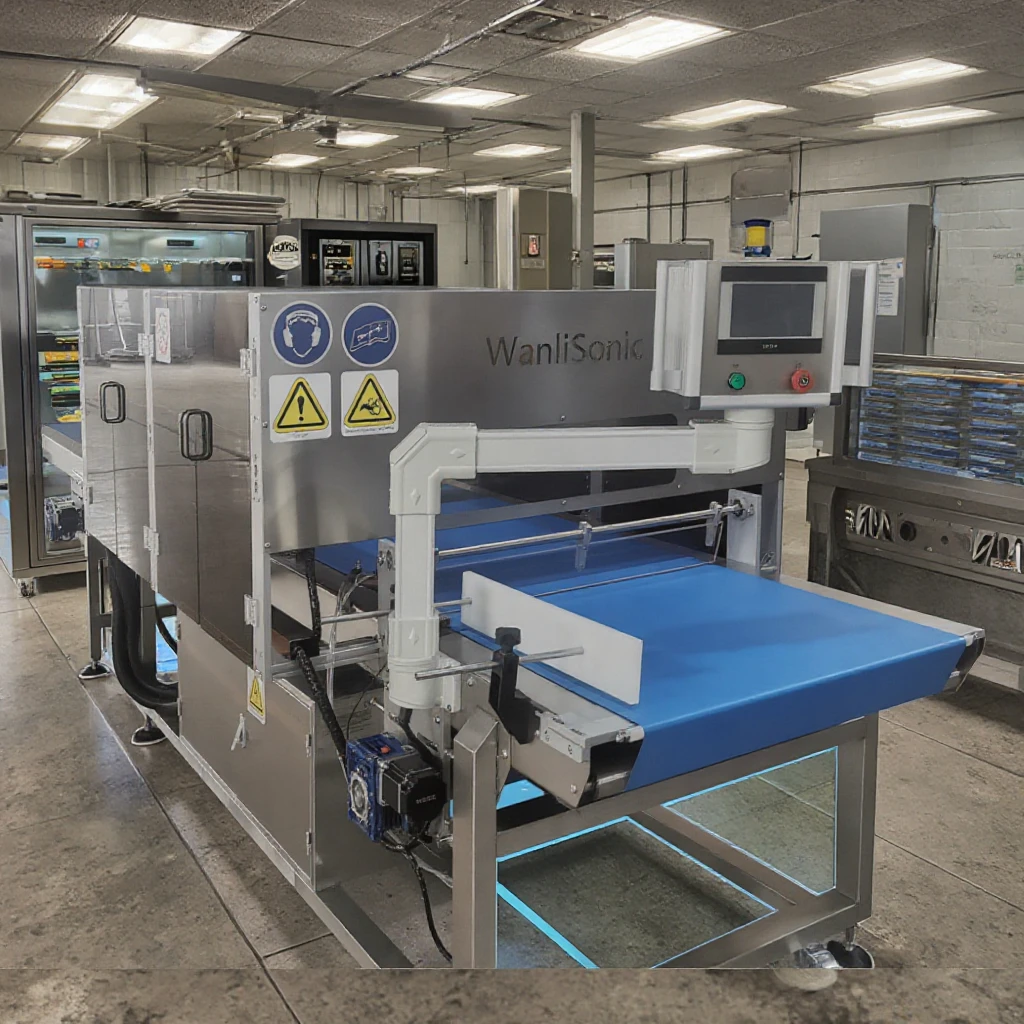
Understanding Ultrasonic Cutting Technology
The Science Behind Ultrasonic Vibrations
An ultrasonic cake cutting machine operates on the principle of high-frequency mechanical vibrations, typically ranging from 20,000 to 40,000 cycles per second. These rapid vibrations create microscopic movements in the cutting blade that effectively separate food particles without applying excessive downward pressure. The ultrasonic energy reduces friction between the blade and the cake surface, allowing for smooth penetration through even the most delicate layers of sponge, cream, and frosting.
The cutting process involves converting electrical energy into mechanical vibrations through a sophisticated transducer system. This energy transmission enables the blade to slice through materials with minimal resistance, preserving the original texture and appearance of the cake. Unlike conventional cutting methods that rely on pressure and sawing motions, ultrasonic technology maintains the structural integrity of air-filled cake layers and prevents compression that leads to deformation.
Key Components and Operating Mechanisms
The core components of an ultrasonic cake cutting machine include a high-frequency generator, piezoelectric transducers, and a specially designed cutting blade assembly. The generator produces electrical signals at precise frequencies, which are converted into mechanical energy by the transducers. This mechanical energy is then transmitted to the cutting blade, creating the ultrasonic vibrations necessary for clean cutting action.
Advanced ultrasonic cake cutting machine models feature programmable controls that allow operators to adjust vibration frequency, cutting speed, and pressure settings based on specific product requirements. These customizable parameters ensure optimal cutting performance across various cake types, from light sponge cakes to dense chocolate tortes. The precision control systems enable consistent results regardless of operator skill level, making the technology accessible to both experienced and novice bakery staff.
Crumb Reduction Mechanisms
Molecular-Level Cutting Action
The primary advantage of an ultrasonic cake cutting machine lies in its ability to minimize crumb production through molecular-level cutting action. Traditional knife cutting creates friction and tearing forces that disrupt the cake's cellular structure, causing loose particles and crumbs to break away from the main body. Ultrasonic vibrations, however, create clean separation lines by vibrating individual molecules apart rather than forcing them to tear or break.
This molecular separation process is particularly effective with porous cake structures where air pockets and delicate gluten networks require gentle handling. The high-frequency vibrations penetrate the cake material and create controlled fractures along natural structural boundaries, resulting in smooth cut surfaces with minimal particle detachment. The reduced crumb formation translates directly to decreased product waste and improved visual presentation.
Heat Generation and Surface Sealing
Another significant benefit of ultrasonic cake cutting machine technology is the controlled heat generation that occurs during the cutting process. The friction created by ultrasonic vibrations produces a minimal amount of heat at the cutting interface, which helps seal the cut edges of certain cake types. This sealing effect is particularly beneficial when cutting cakes with cream fillings, fruit layers, or other moisture-rich components that might otherwise leak or ooze from cut surfaces.
The heat sealing process occurs instantaneously and affects only the immediate cutting zone, ensuring that the overall temperature and texture of the cake remain unchanged. This localized heating prevents the migration of fillings and reduces the likelihood of structural collapse or deformation in multi-layer cakes. The sealed edges also contribute to longer product shelf life by reducing exposure to air and preventing moisture loss.
Deformation Prevention Strategies
Pressure Distribution and Force Management
Traditional cake cutting methods often require significant downward pressure to penetrate dense or multi-layered products, resulting in compression and deformation of delicate cake structures. An ultrasonic cake cutting machine eliminates this issue by distributing cutting forces more evenly across the blade surface while requiring minimal downward pressure. The ultrasonic vibrations do most of the cutting work, allowing the blade to glide through the cake with gentle guidance rather than forceful penetration.
The reduced pressure requirements are particularly beneficial when cutting tall cakes, multi-tiered constructions, or products with soft fillings and delicate decorations. By minimizing the mechanical stress applied to the cake structure, ultrasonic technology preserves the original shape, height, and architectural features that are crucial for premium bakery products. This gentle cutting approach enables bakeries to maintain consistent product quality and meet exacting presentation standards.
Blade Design and Cutting Geometry
The specialized blade designs used in ultrasonic cake cutting machine systems are engineered to optimize cutting performance while minimizing structural disruption. These blades typically feature specific geometric profiles, surface treatments, and material compositions that enhance ultrasonic energy transmission and reduce adhesion to sticky cake components. The blade geometry is carefully calculated to ensure even vibration distribution along the cutting edge, preventing hot spots or dead zones that could compromise cutting quality.
Advanced blade designs incorporate features such as non-stick coatings, optimized edge angles, and strategic ventilation channels that further reduce the likelihood of cake deformation. These design elements work in conjunction with the ultrasonic vibrations to create clean, straight cuts without dragging, pulling, or distorting the surrounding cake material. The result is professional-quality cuts that maintain the cake's original proportions and decorative details.
Industrial Applications and Benefits
Commercial Bakery Integration
Modern commercial bakeries have increasingly adopted ultrasonic cake cutting machine technology to improve production efficiency and product quality. These machines integrate seamlessly into existing production lines, offering automated cutting capabilities that reduce labor costs and increase throughput. The consistent cutting quality achieved through ultrasonic technology eliminates the variability associated with manual cutting methods, ensuring that every product meets established quality standards.
Large-scale bakeries benefit from the scalability of ultrasonic cutting systems, which can handle high-volume production requirements while maintaining precision and cleanliness. The technology is particularly valuable in facilities producing wedding cakes, specialty desserts, and premium baked goods where presentation quality directly impacts customer satisfaction and brand reputation. The ability to achieve consistently clean cuts reduces product rejection rates and maximizes yield from expensive ingredient investments.
Food Safety and Hygiene Considerations
An ultrasonic cake cutting machine offers significant advantages in terms of food safety and hygiene maintenance compared to traditional cutting methods. The non-contact cutting action reduces cross-contamination risks by minimizing the transfer of particles, allergens, or contaminants between different products. The clean cutting process also reduces the need for blade cleaning between cuts, improving production efficiency while maintaining sanitary conditions.
The sealed cutting edges produced by ultrasonic technology help maintain product freshness and reduce the risk of microbial growth at cut surfaces. This benefit is particularly important for cakes containing perishable fillings, dairy-based components, or other temperature-sensitive ingredients. The improved food safety profile enables longer product shelf life and reduces the risk of quality issues that could impact consumer health or brand reputation.
Operational Efficiency and Cost Benefits
Labor Savings and Skill Requirements
The implementation of an ultrasonic cake cutting machine significantly reduces the skill level required for achieving professional-quality cuts, making it easier for bakeries to train new employees and maintain consistent production standards. Traditional cake cutting techniques require considerable experience and manual dexterity to achieve clean, even cuts, particularly with challenging products like layered cakes or items with delicate decorations.
Automated ultrasonic cutting systems eliminate much of the guesswork and physical skill requirements, allowing operators to focus on other value-added tasks while the machine handles the precision cutting work. This labor efficiency translates to reduced training costs, lower turnover rates, and more predictable production schedules. The consistency of automated cutting also reduces the need for quality control inspections and product rework, further improving operational efficiency.
Waste Reduction and Yield Optimization
The precision cutting capabilities of ultrasonic cake cutting machine technology result in significant waste reduction compared to traditional methods. Clean cuts with minimal crumb production mean that more of the original cake material ends up in saleable portions rather than being discarded as waste. This improvement in yield is particularly important for high-value products where ingredient costs represent a significant portion of the total production expense.
The reduced deformation and structural damage associated with ultrasonic cutting also decreases the number of products that must be rejected due to appearance defects. This quality improvement directly impacts profitability by maximizing the return on ingredient investments and reducing the costs associated with product replacement or discounting. The improved presentation quality also enables bakeries to command premium pricing for their products.
Maintenance and Longevity Considerations
Equipment Durability and Service Life
Modern ultrasonic cake cutting machine designs emphasize durability and long-term reliability to ensure consistent performance in demanding commercial environments. The solid-state electronic components used in these systems have fewer moving parts compared to traditional mechanical cutting equipment, reducing the likelihood of breakdown and extending service life. Regular maintenance requirements are typically minimal, focusing primarily on blade cleaning, calibration checks, and periodic component inspections.
The robust construction of commercial-grade ultrasonic cutting systems enables them to withstand the rigors of high-volume production while maintaining cutting precision over extended periods. This reliability is crucial for bakeries that depend on consistent production capacity to meet customer demands and maintain competitive advantage. The predictable maintenance schedule also helps facilities plan downtime and budget for ongoing operational expenses.
Technology Upgrades and Future Compatibility
Leading manufacturers of ultrasonic cake cutting machine systems design their equipment with upgradeability and future compatibility in mind. This forward-thinking approach ensures that bakeries can benefit from technological improvements without requiring complete equipment replacement. Software updates, enhanced control systems, and improved cutting algorithms can often be implemented on existing hardware platforms, extending the useful life of the investment.
The modular design philosophy adopted by many manufacturers also allows for selective component upgrades as operational requirements change or as new features become available. This flexibility is particularly valuable for growing bakeries that may need to expand capacity or adapt to new product lines over time. The ability to upgrade rather than replace equipment helps maximize return on investment and supports sustainable business growth.
FAQ
What types of cakes work best with ultrasonic cutting technology
Ultrasonic cake cutting machine technology is effective across a wide range of cake types, including sponge cakes, layered cakes with cream fillings, dense chocolate cakes, and products with delicate decorations. The technology is particularly beneficial for challenging items like frozen cakes, sticky glazed products, and multi-textured desserts that typically cause problems with traditional cutting methods. However, extremely hard or crystalline components may require specific blade designs or cutting parameters for optimal results.
How does the cutting speed compare to traditional methods
An ultrasonic cake cutting machine typically operates at comparable or faster speeds than manual cutting methods while delivering superior consistency and quality. The elimination of cleaning time between cuts and the reduced need for product handling contribute to overall efficiency improvements. Automated systems can maintain consistent cutting speeds throughout production runs, eliminating the fatigue-related slowdowns common with manual operations.
What are the power requirements and energy costs
Most commercial ultrasonic cake cutting machine systems operate on standard electrical power supplies and consume relatively modest amounts of energy compared to other bakery equipment. The efficient energy conversion and minimal heat generation result in lower operating costs than traditional heated cutting systems. The precise power requirements vary by model and cutting capacity, but the energy efficiency of ultrasonic technology generally provides favorable operating economics.
Can the machine handle different cake sizes and shapes
Modern ultrasonic cake cutting machine designs offer considerable flexibility in terms of product size and shape accommodation. Adjustable cutting parameters, programmable cutting patterns, and modular fixture systems enable these machines to handle everything from small individual portions to large sheet cakes. Many systems include preset programs for common cake sizes and can be easily reconfigured for special requirements or custom products.