
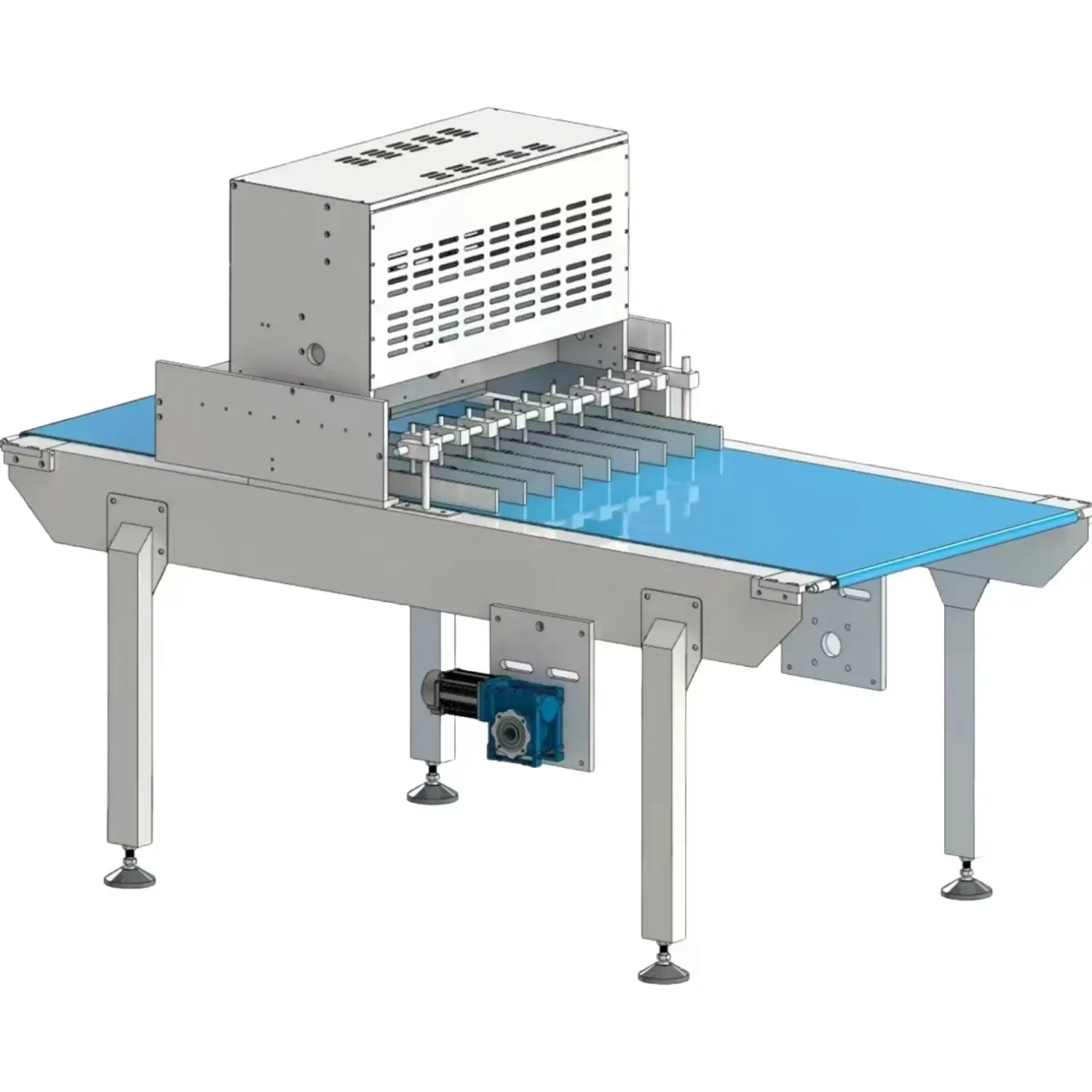
The food industry has witnessed remarkable technological advancements in recent decades, with ultrasonic pastry cutting emerging as a revolutionary solution for commercial bakeries and food manufacturers. This innovative technology harnesses the power of high-frequency sound waves to achieve precise, clean cuts through various pastry products without the traditional challenges associated with conventional cutting methods. Modern bakeries are increasingly adopting this sophisticated approach to enhance their production efficiency while maintaining superior product quality and consistency across their entire pastry line.
Traditional cutting methods often struggle with delicate pastry textures, creating uneven edges, product deformation, and significant waste during the slicing process. These challenges become particularly pronounced when working with layered pastries, cream-filled products, or items with varying densities throughout their structure. The implementation of ultrasonic cutting technology addresses these concerns by utilizing precisely controlled vibrations that slice through materials with minimal resistance and maximum accuracy.
The Science Behind Ultrasonic Cutting Technology
High-Frequency Vibration Mechanics
Ultrasonic cutting operates through the generation of high-frequency vibrations, typically ranging from 20,000 to 40,000 Hz, which are transmitted through a specially designed cutting blade or horn. These rapid oscillations create a localized heating effect at the cutting interface, temporarily softening the material and allowing the blade to pass through with minimal resistance. The technology eliminates the need for excessive downward pressure, which often causes compression and deformation in traditional cutting methods.
The vibrating blade essentially breaks down the molecular bonds at the cutting surface, creating a phenomenon similar to controlled micro-fracturing. This process ensures that the structural integrity of the surrounding pastry remains intact while achieving exceptionally clean separation along the desired cutting line. The precision of this method allows manufacturers to maintain consistent portion sizes and shapes across thousands of units in a single production run.
Temperature and Pressure Control
One of the most significant advantages of ultrasonic pastry cutting lies in its ability to maintain optimal temperature conditions during the cutting process. Unlike traditional methods that may generate excessive heat through friction, ultrasonic technology produces controlled thermal effects that actually facilitate cleaner cuts. The localized heating occurs only at the molecular level along the cutting path, preventing widespread temperature changes that could affect product quality or texture.
The reduced pressure requirements of ultrasonic cutting technology make it particularly suitable for delicate pastry applications. Cream-filled products, layered pastries, and items with fragile decorative elements can be processed without the compression damage typically associated with conventional cutting equipment. This gentle approach preserves the visual appeal and structural characteristics that are crucial for premium pastry products.
Advantages in Commercial Pastry Production
Enhanced Product Consistency
Commercial bakeries prioritizing product uniformity find that ultrasonic pastry cutting delivers unmatched consistency across their entire production output. The technology eliminates human error variables and mechanical inconsistencies that can occur with traditional cutting methods. Each slice maintains identical dimensions, weight, and appearance characteristics, which is essential for automated packaging systems and quality control protocols.
The precision of ultrasonic cutting extends beyond basic dimensional accuracy to include edge quality and surface finish characteristics. Products cut using this technology exhibit smooth, sealed edges that prevent filling leakage and maintain structural integrity during handling and transportation. This level of consistency directly translates to reduced waste, improved customer satisfaction, and enhanced brand reputation in competitive market segments.
Reduced Product Waste and Contamination
Traditional cutting methods often result in significant product waste due to compression damage, uneven cuts, and blade adhesion issues. Ultrasonic technology addresses these concerns by creating clean separations without material displacement or deformation. The self-cleaning nature of the vibrating blade prevents product buildup and cross-contamination between different pastry varieties or flavors.
The elimination of blade adhesion is particularly valuable when processing sticky or high-fat content pastries that traditionally require frequent blade cleaning and maintenance. Ultrasonic pastry cutting systems maintain their cutting efficiency throughout extended production runs without the performance degradation associated with product accumulation on cutting surfaces.
Applications Across Pastry Categories
Layered and Laminated Products
Croissants, puff pastries, and other laminated products present unique challenges for conventional cutting methods due to their complex internal structure and varying density layers. Ultrasonic technology excels in these applications by maintaining the distinct layering while creating clean, uniform cuts that preserve the product's intended appearance and texture. The controlled vibrations prevent layer separation and maintain the delicate balance between different dough and fat layers.
Danish pastries and similar products benefit significantly from ultrasonic cutting, particularly when they contain fruit fillings or cream layers that can be displaced by traditional cutting pressure. The technology ensures that these components remain properly distributed within each portion while maintaining clean, professional-looking edges that enhance the product's visual appeal and marketability.
Cream and Filling-Based Products
Eclairs, cream puffs, and filled pastries require specialized handling during the cutting process to prevent filling displacement and maintain structural integrity. Ultrasonic cutting technology addresses these requirements by creating sealed cuts that contain fillings while providing clean separation between individual portions. The rapid vibrations create a temporary sealing effect along the cut edges, preventing cream or filling leakage during subsequent handling operations.
Custard-filled pastries and similar products maintain their intended portion distribution when processed with ultrasonic equipment, eliminating the uneven filling distribution that often occurs with conventional cutting methods. This consistency is particularly important for portion control and ensuring that each customer receives the intended product experience.
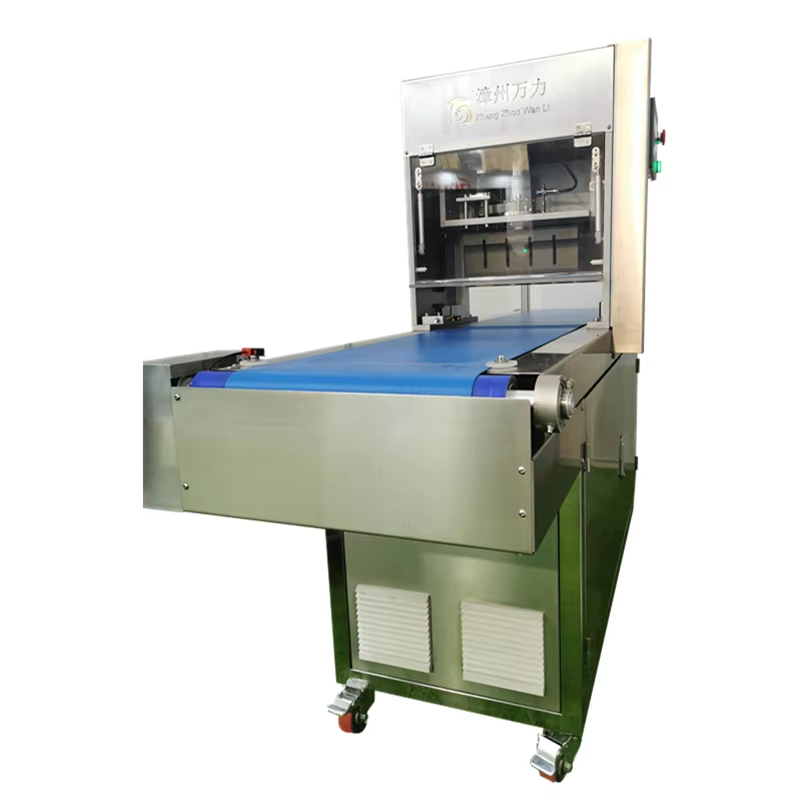
Equipment Design and Integration Considerations
Blade Configuration and Materials
Ultrasonic cutting systems utilize specially designed blades manufactured from materials that efficiently transmit high-frequency vibrations while maintaining sharp cutting edges over extended operational periods. Titanium and specialized steel alloys are commonly employed to achieve optimal performance characteristics and durability. The blade geometry is carefully engineered to maximize vibration transmission while minimizing energy loss during the cutting process.
The surface finish and edge geometry of ultrasonic blades play crucial roles in achieving consistent cutting performance across different pastry types and textures. Manufacturers often provide multiple blade configurations to accommodate various product requirements, allowing bakeries to optimize their cutting performance for specific pastry categories or production requirements.
Integration with Production Lines
Modern ultrasonic pastry cutting systems are designed for seamless integration with existing production lines and conveyor systems. The equipment typically features adjustable cutting speeds, programmable portion sizes, and automated positioning controls that synchronize with upstream production processes. This integration capability allows bakeries to implement ultrasonic technology without significant modifications to their existing operational workflows.
The control systems associated with ultrasonic cutting equipment often include data logging capabilities, quality monitoring features, and remote diagnostic functions that support modern manufacturing quality assurance protocols. These technological features enable bakeries to maintain detailed production records and implement preventive maintenance programs that maximize equipment uptime and performance consistency.
Economic Benefits and Return on Investment
Operational Efficiency Improvements
The implementation of ultrasonic pastry cutting technology typically results in measurable improvements in operational efficiency through reduced cutting time, decreased product waste, and minimized equipment maintenance requirements. The clean cutting action eliminates the need for secondary finishing operations that are often required with conventional cutting methods, directly reducing labor costs and production time per unit.
Energy consumption benefits are another significant factor in the economic equation, as ultrasonic systems typically require less overall power than traditional cutting equipment when considering the complete production process. The elimination of frequent blade changes and maintenance interruptions contributes to improved overall equipment effectiveness and higher throughput rates during standard production shifts.
Quality-Related Cost Savings
The superior cut quality achieved with ultrasonic technology directly translates to reduced product returns, customer complaints, and quality-related costs. The consistent appearance and structural integrity of ultrasonically cut pastries support premium pricing strategies and enhanced brand positioning in competitive market segments. These quality improvements often justify the initial technology investment through improved profit margins and customer loyalty.
Long-term cost benefits include extended product shelf life due to improved edge sealing characteristics and reduced contamination risks. The clean cutting action helps maintain product freshness and reduces the likelihood of premature spoilage that can occur when traditional cutting methods create rough or damaged surfaces that are more susceptible to bacterial growth or moisture loss.
Future Developments and Industry Trends
Technological Advancements
Ongoing research and development in ultrasonic cutting technology focus on expanding frequency ranges, improving energy efficiency, and developing specialized cutting tools for emerging pastry categories and production requirements. Advanced control systems incorporating artificial intelligence and machine learning capabilities are being developed to optimize cutting parameters automatically based on real-time product characteristics and quality feedback.
Integration with Industry 4.0 concepts is driving the development of smart ultrasonic cutting systems that can communicate with other production equipment, quality monitoring systems, and enterprise resource planning platforms. These advancements support data-driven production optimization and predictive maintenance strategies that further enhance the economic benefits of ultrasonic technology adoption.
Market Adoption and Industry Impact
The growing adoption of ultrasonic pastry cutting technology across the global baking industry reflects increasing recognition of its benefits and decreasing implementation costs. As the technology becomes more widely available and competition among equipment manufacturers increases, the economic barriers to adoption continue to decrease, making ultrasonic cutting accessible to smaller bakeries and specialized pastry producers.
Industry standards and certification requirements are evolving to recognize the unique capabilities and benefits of ultrasonic cutting technology, potentially creating regulatory incentives for adoption in certain market segments. Food safety authorities are beginning to acknowledge the contamination reduction benefits and improved sanitation characteristics associated with ultrasonic cutting systems.
FAQ
What types of pastries benefit most from ultrasonic cutting technology
Ultrasonic cutting technology provides the greatest benefits for delicate pastries with complex structures, including layered products like croissants and puff pastries, cream-filled items such as eclairs and custard pastries, and soft products that are prone to compression damage with traditional cutting methods. The technology is particularly valuable for high-value specialty pastries where appearance and consistency are critical quality factors.
How does ultrasonic cutting compare to traditional methods in terms of maintenance requirements
Ultrasonic cutting equipment typically requires less frequent maintenance than traditional cutting systems due to the self-cleaning nature of the vibrating blade and reduced wear on cutting surfaces. While the electronic components require periodic calibration and the ultrasonic transducers need occasional replacement, the overall maintenance costs are generally lower due to reduced blade changes and cleaning requirements.
Can ultrasonic cutting technology handle frozen or very hard pastry products
Ultrasonic cutting systems can effectively process frozen pastries and harder products, though the cutting parameters may need adjustment to accommodate different material properties. The technology is particularly advantageous for frozen products because it minimizes fracturing and cracking that often occurs with conventional cutting methods when processing materials at low temperatures.
What safety considerations are important when implementing ultrasonic pastry cutting systems
Safety considerations include proper training for operators on ultrasonic equipment operation, implementation of appropriate noise control measures since the equipment operates at high frequencies, and ensuring proper electrical safety protocols due to the high-frequency power requirements. Most modern systems include comprehensive safety features and automated shutdown capabilities to protect operators and maintain safe working conditions.
Table of Contents
- The Science Behind Ultrasonic Cutting Technology
- Advantages in Commercial Pastry Production
- Applications Across Pastry Categories
- Equipment Design and Integration Considerations
- Economic Benefits and Return on Investment
- Future Developments and Industry Trends
-
FAQ
- What types of pastries benefit most from ultrasonic cutting technology
- How does ultrasonic cutting compare to traditional methods in terms of maintenance requirements
- Can ultrasonic cutting technology handle frozen or very hard pastry products
- What safety considerations are important when implementing ultrasonic pastry cutting systems