
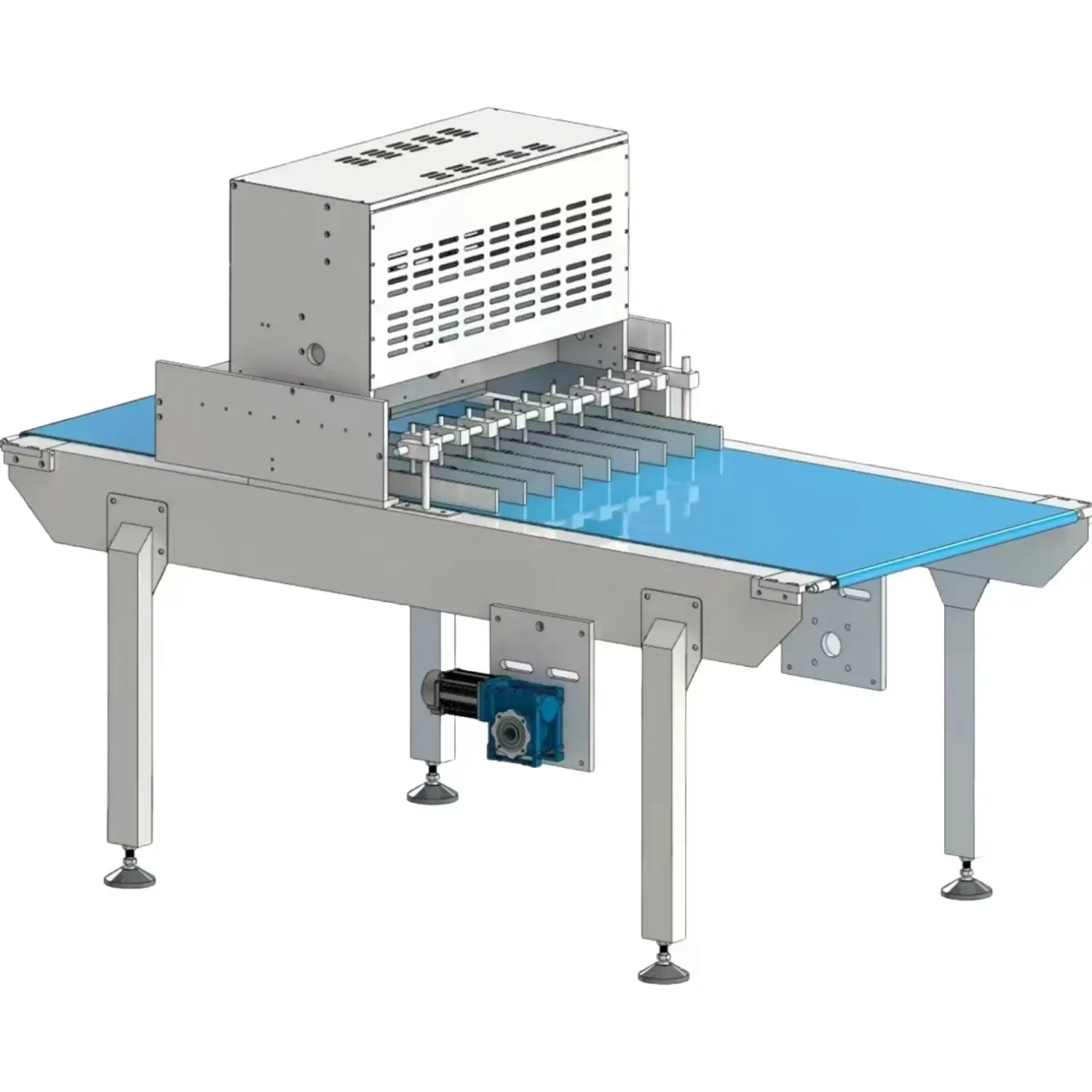
Industrial bakeries face increasing demands for precision, efficiency, and consistent quality in their production processes. The evolution of cutting technology has introduced revolutionary solutions that transform traditional pastry preparation methods. Among these innovations, ultrasonic cutting systems have emerged as game-changing equipment for high-volume operations. These advanced machines utilize high-frequency vibrations to achieve clean, precise cuts through various pastry products without the common issues associated with conventional blade cutting. Understanding the key considerations when investing in such sophisticated equipment ensures optimal performance, cost-effectiveness, and seamless integration into existing production workflows.
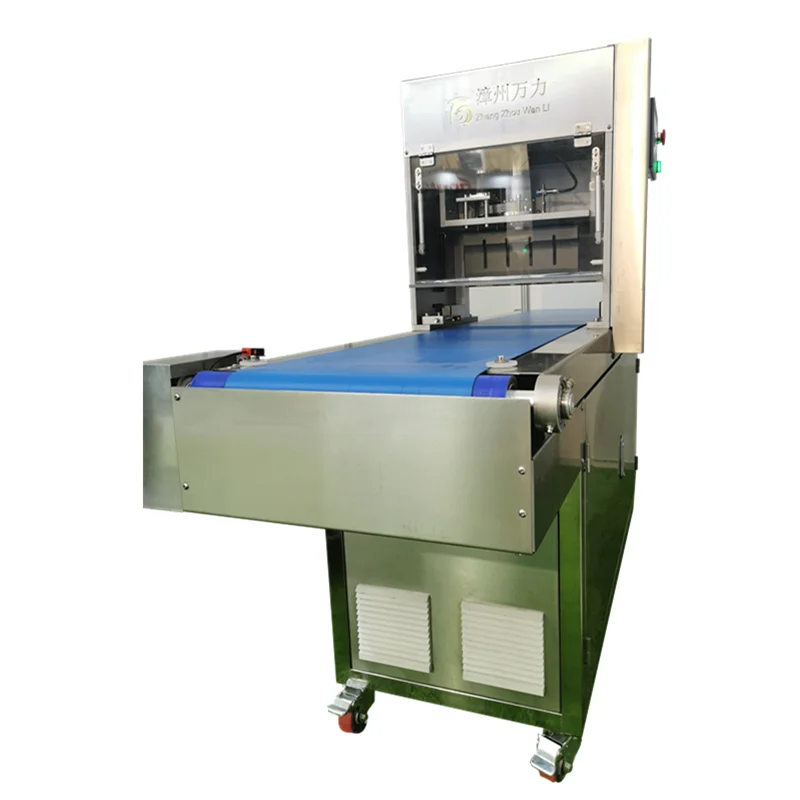
Understanding Ultrasonic Cutting Technology for Industrial Applications
The Science Behind Ultrasonic Vibration Cutting
Ultrasonic cutting technology operates through high-frequency mechanical vibrations, typically ranging from 20,000 to 40,000 Hz, applied to specially designed cutting blades. This vibration creates microscopic movements that significantly reduce friction between the blade and the product being cut. The result is exceptionally clean cuts with minimal compression, crumb generation, or product deformation. For pastry applications, this technology proves particularly valuable when handling delicate items like layered pastries, cream-filled products, or sticky compositions that traditionally pose challenges for conventional cutting methods.
The ultrasonic vibration effectively liquefies the contact interface momentarily, allowing the blade to pass through materials with minimal resistance. This phenomenon prevents the blade from dragging or pulling product materials, which often occurs with traditional cutting approaches. Additionally, the self-cleaning effect of ultrasonic vibration reduces product buildup on cutting surfaces, maintaining consistent cutting quality throughout extended production runs. Understanding these fundamental principles helps bakery operators appreciate the significant advantages ultrasonic technology brings to industrial pastry production environments.
Applications and Product Compatibility
Modern ultrasonic pastry cutting machines excel in handling diverse product ranges that challenge conventional cutting equipment. Sticky pastries, multi-layered items, cream-filled products, and delicate baked goods all benefit from the precision and cleanliness of ultrasonic cutting. The technology proves especially effective for products containing nuts, dried fruits, chocolate chips, or other inclusions that typically cause blade clogging or irregular cuts in traditional systems.
Temperature-sensitive products also respond favorably to ultrasonic cutting due to the reduced heat generation compared to conventional methods. Frozen pastries, ice cream cakes, and temperature-critical items maintain their structural integrity throughout the cutting process. The versatility of ultrasonic systems extends to portion control applications, where precise weight consistency becomes crucial for cost management and customer satisfaction. These capabilities make ultrasonic cutting technology an invaluable asset for bakeries serving diverse market segments with varying product requirements.
Critical Performance Specifications and Capacity Requirements
Production Volume and Throughput Considerations
Determining appropriate production capacity represents a fundamental consideration when selecting industrial cutting equipment. Bakeries must evaluate current production volumes, anticipated growth, and peak demand periods to ensure adequate throughput capabilities. An ultrasonic pastry cutting machine should accommodate not only existing production requirements but also provide reasonable capacity for future expansion without creating bottlenecks in the production line.
Modern ultrasonic systems offer varying throughput capabilities, typically measured in cuts per minute or products processed per hour. High-productivity models can achieve remarkable cutting speeds while maintaining precision and quality standards. However, maximum speed specifications must be balanced against practical considerations such as product feeding mechanisms, operator capabilities, and downstream processing requirements. Selecting equipment with appropriate capacity margins ensures consistent performance during peak production periods while avoiding unnecessary over-investment in excessive capabilities.
Cutting Precision and Quality Standards
Precision cutting directly impacts product presentation, portion consistency, and ultimately customer satisfaction. Industrial ultrasonic cutting machines typically offer superior accuracy compared to conventional methods, with tolerances often measured in fractions of millimeters. This precision becomes particularly important for portion-controlled products where weight consistency affects profitability and regulatory compliance. Advanced systems incorporate programmable cutting patterns, adjustable blade positioning, and automated thickness control to maintain consistent results across large production runs.
Quality standards extend beyond dimensional accuracy to include cut surface characteristics, crumb generation, and product integrity preservation. Ultrasonic cutting produces remarkably clean cut surfaces with minimal tearing or compression, enhancing product appearance and shelf life. The absence of blade dragging eliminates the smearing effects common with sticky or soft products, maintaining distinct layers and fillings in complex pastries. These quality advantages translate directly into reduced waste, improved customer satisfaction, and enhanced brand reputation in competitive markets.
Integration Requirements and Facility Considerations
Space Planning and Layout Optimization
Successful integration of ultrasonic cutting equipment requires careful consideration of facility layout, workflow patterns, and space utilization. Modern industrial cutting machines occupy significant floor space and require adequate clearances for operation, maintenance, and safety compliance. Effective space planning involves analyzing material flow patterns, identifying optimal positioning within the production line, and ensuring efficient product handling both upstream and downstream of the cutting operation.
Ceiling height requirements often exceed those of conventional equipment due to advanced feeding systems, safety enclosures, and maintenance access needs. Additionally, consideration must be given to utilities placement, including electrical connections, compressed air lines, and potentially specialized ventilation systems. The proximity to other production equipment should facilitate smooth workflow while preventing interference or contamination issues. Strategic placement decisions made during the planning phase significantly impact long-term operational efficiency and productivity.
Utility Infrastructure and Power Requirements
Ultrasonic cutting systems typically require substantial electrical power to generate the high-frequency vibrations essential for operation. Power requirements vary significantly based on equipment size, cutting capacity, and additional features such as automated feeding systems or integrated conveying equipment. Facilities must ensure adequate electrical capacity, appropriate voltage specifications, and reliable power quality to maintain consistent performance and prevent equipment damage.
Beyond electrical requirements, many systems require compressed air for pneumatic controls, blade positioning mechanisms, and cleaning systems. Water connections may be necessary for cleaning-in-place systems or cooling applications. HVAC considerations include managing heat generation from high-power ultrasonic generators and ensuring appropriate air quality in the cutting area. Proper utility planning during the procurement phase prevents costly modifications and delays during equipment installation and commissioning.
Maintenance, Support, and Long-term Operational Costs
Preventive Maintenance Requirements and Schedules
Ultrasonic cutting equipment requires specialized maintenance procedures to ensure optimal performance and longevity. The ultrasonic generator, transducers, and cutting horns represent critical components that demand regular inspection, calibration, and replacement according to manufacturer specifications. Preventive maintenance schedules typically include daily cleaning procedures, weekly performance checks, and periodic comprehensive inspections by qualified technicians.
Blade maintenance presents unique considerations compared to conventional cutting equipment. Ultrasonic blades require specific materials, precise dimensional tolerances, and specialized sharpening techniques to maintain optimal vibration characteristics. Replacement intervals depend on product types, cutting volumes, and operating conditions, but generally exceed conventional blade life significantly due to reduced wear from ultrasonic action. Understanding these maintenance requirements and associated costs helps operators develop realistic operational budgets and ensure consistent equipment performance.
Technical Support and Training Considerations
The sophisticated nature of ultrasonic cutting technology necessitates comprehensive operator training and ongoing technical support. Initial training programs should cover equipment operation, safety procedures, basic troubleshooting, and routine maintenance tasks. Advanced training may include parameter optimization, recipe development for different products, and predictive maintenance techniques to maximize equipment utilization and minimize unplanned downtime.
Technical support availability becomes crucial given the specialized nature of ultrasonic technology. Vendors should provide multiple support channels including phone support, remote diagnostics, on-site service, and spare parts availability. Response time commitments for critical issues directly impact production continuity and should be carefully evaluated during equipment selection. Long-term support considerations include parts availability throughout the equipment lifecycle, software updates, and upgrade paths as technology evolves.
Cost Analysis and Return on Investment Evaluation
Total Cost of Ownership Assessment
Evaluating ultrasonic cutting equipment requires comprehensive analysis beyond initial purchase price to include installation costs, training expenses, ongoing maintenance, and operational costs. Total cost of ownership calculations should span the expected equipment lifecycle, typically 10-15 years for industrial cutting systems. This analysis helps justify the higher initial investment of ultrasonic technology through quantified benefits such as reduced waste, improved product quality, increased throughput, and lower labor requirements.
Operating cost components include electrical consumption, replacement parts, maintenance labor, and potential downtime costs. Ultrasonic systems often demonstrate favorable operating costs due to reduced blade replacement frequency, minimal product waste, and improved cutting efficiency. However, specialized components such as ultrasonic generators and transducers may carry higher replacement costs than conventional equipment parts. Accurate cost modeling requires detailed understanding of production volumes, product mix, and operational patterns specific to each facility.
Productivity Gains and Quality Improvements
Ultrasonic cutting technology typically delivers measurable productivity improvements through faster cutting speeds, reduced setup times, and elimination of cutting-related quality issues. Increased throughput directly translates to higher production capacity without proportional increases in labor or facility costs. Additionally, the superior cut quality reduces waste generation, improves product presentation, and may enable premium pricing for enhanced product appearance.
Quality improvements extend to reduced customer complaints, lower return rates, and enhanced brand reputation. These benefits, while sometimes difficult to quantify precisely, contribute significantly to long-term profitability and market competitiveness. The consistency and reliability of ultrasonic cutting also reduces variability in production processes, leading to more predictable scheduling, reduced inventory requirements, and improved overall operational efficiency.
FAQ
What types of pastries work best with ultrasonic cutting technology?
Ultrasonic cutting excels with challenging products including layered pastries, cream-filled items, sticky compositions, frozen products, and items containing inclusions like nuts or chocolate chips. The technology particularly benefits delicate products that suffer damage from conventional cutting methods, temperature-sensitive items, and products requiring precise portion control for cost management.
How does ultrasonic cutting compare to conventional methods in terms of blade life?
Ultrasonic blades typically last significantly longer than conventional blades due to reduced friction and wear during the cutting process. The high-frequency vibration minimizes blade contact with products, reducing dulling and wear. However, ultrasonic blades require specialized materials and precise manufacturing tolerances, which may result in higher individual blade costs despite extended service life.
What are the main factors affecting ultrasonic cutting machine pricing?
Pricing factors include cutting capacity and throughput requirements, automation level and control sophistication, number and complexity of cutting stations, integrated conveying and handling systems, specialized features for specific product types, and the manufacturer's reputation and support capabilities. Higher productivity models with advanced automation command premium pricing but often deliver superior return on investment through increased efficiency.
How much space is typically required for industrial ultrasonic cutting equipment?
Space requirements vary significantly based on equipment capacity and configuration, but industrial systems typically require 100-300 square feet of floor space plus additional clearances for operation and maintenance access. Ceiling height requirements often exceed 12 feet due to feeding systems and safety enclosures. Proper space planning should also consider material flow patterns, utility connections, and integration with existing production equipment.
Table of Contents
- Understanding Ultrasonic Cutting Technology for Industrial Applications
- Critical Performance Specifications and Capacity Requirements
- Integration Requirements and Facility Considerations
- Maintenance, Support, and Long-term Operational Costs
- Cost Analysis and Return on Investment Evaluation
-
FAQ
- What types of pastries work best with ultrasonic cutting technology?
- How does ultrasonic cutting compare to conventional methods in terms of blade life?
- What are the main factors affecting ultrasonic cutting machine pricing?
- How much space is typically required for industrial ultrasonic cutting equipment?