
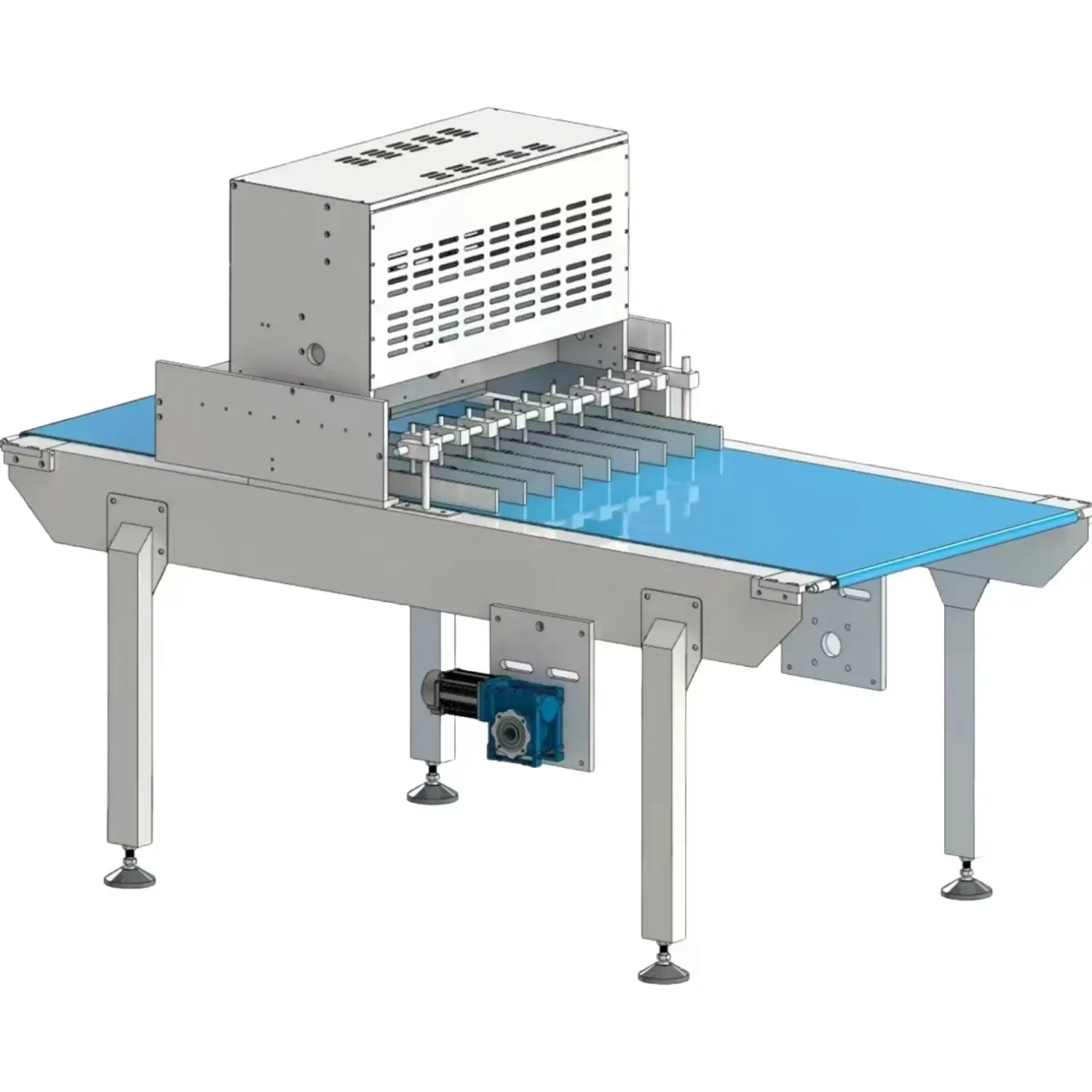
Selecting the appropriate cutting equipment for nougat production represents a critical decision that can significantly impact your confectionery operation's efficiency and product quality. Modern confectionery manufacturers increasingly turn to advanced cutting technologies to achieve consistent results while maintaining high production speeds. The ultrasonic nougat cutting machine has emerged as the preferred solution for many commercial operations, offering precision cutting capabilities that traditional blade systems cannot match. Understanding the key factors involved in choosing the right equipment ensures optimal performance and return on investment for your production facility.
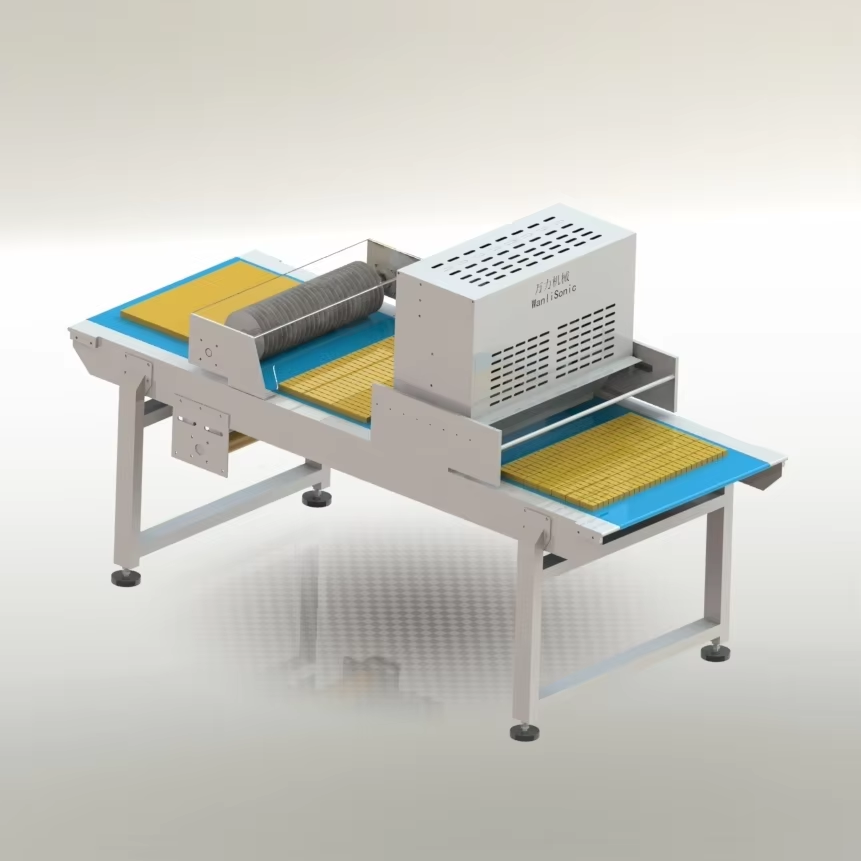
Understanding Ultrasonic Cutting Technology
How Ultrasonic Cutting Works
Ultrasonic cutting technology utilizes high-frequency vibrations to slice through materials with exceptional precision and minimal pressure. The ultrasonic blade vibrates at frequencies typically ranging from 20 to 40 kilohertz, creating microscopic movements that effectively separate material at the molecular level. This process generates minimal heat, preventing the sticky characteristics of nougat from adhering to the cutting surface. The vibrating motion also reduces the cutting force required, resulting in cleaner cuts and reduced product deformation.
The technology proves particularly effective for sticky, soft, or delicate confectionery products that challenge conventional cutting methods. Unlike traditional rotary or guillotine cutters, ultrasonic systems maintain blade sharpness longer and require less frequent maintenance. The precision achieved through ultrasonic cutting ensures consistent portion sizes, which directly impacts product presentation and cost control in commercial confectionery operations.
Advantages Over Traditional Cutting Methods
Traditional cutting methods often struggle with nougat's sticky texture, leading to blade fouling, uneven cuts, and increased downtime for cleaning. Rotary cutters may compress or tear the product, while wire cutters can become clogged with sticky residue. Ultrasonic cutting technology eliminates these common problems through its non-contact cutting action and self-cleaning blade surface. The high-frequency vibrations prevent product adhesion, maintaining consistent cutting performance throughout extended production runs.
The superior cut quality achieved with ultrasonic technology also reduces product waste significantly. Clean, precise cuts minimize the need for trimming or rework, improving overall production efficiency. Additionally, the reduced cutting force preserves the nougat's internal structure and appearance, maintaining the desired texture and visual appeal that consumers expect from premium confectionery products.
Production Capacity and Speed Requirements
Assessing Your Current Production Volume
Determining the appropriate machine capacity begins with a thorough analysis of your current and projected production volumes. Small-scale artisanal operations may require different specifications compared to large commercial facilities producing thousands of units daily. Consider peak production periods, seasonal variations, and potential growth projections when evaluating capacity requirements. An ultrasonic nougat cutting machine should accommodate current needs while providing room for reasonable expansion without requiring immediate equipment replacement.
Document your typical production schedules, including batch sizes, cutting frequency, and daily output targets. This information helps identify whether a semi-automatic or fully automatic system best suits your operational requirements. Consider also the variety of nougat types you produce, as different formulations may require different cutting speeds or blade configurations to achieve optimal results.
Speed and Throughput Considerations
Machine speed specifications should align with your production line's overall throughput requirements to prevent bottlenecks. High-speed cutting capabilities become essential when processing large batches, but excessive speed may compromise cut quality in certain nougat formulations. Evaluate the relationship between cutting speed and final product quality to determine the optimal operating parameters for your specific products. Modern ultrasonic cutting machines often feature variable speed controls, allowing operators to adjust cutting rates based on product characteristics and quality requirements.
Consider the entire production workflow when evaluating speed requirements, including upstream processes like cooking and cooling, as well as downstream operations such as packaging and wrapping. The cutting operation should integrate seamlessly with adjacent processes to maintain smooth production flow and prevent accumulation of work-in-process inventory.
Machine Features and Customization Options
Blade Configuration and Size Options
The blade configuration significantly impacts cutting performance and versatility. Single-blade systems offer simplicity and cost-effectiveness for basic cutting operations, while multi-blade configurations enable simultaneous cutting of multiple pieces or complex cutting patterns. Consider your product size requirements and packaging specifications when evaluating blade options. Some machines offer interchangeable blade assemblies, providing flexibility to accommodate different product sizes or cutting patterns without requiring separate equipment purchases.
Blade length and cutting width determine the maximum product dimensions the machine can accommodate. Ensure the selected machine can handle your largest product formats while maintaining cutting precision across the entire blade width. Advanced systems may feature programmable blade positioning, allowing automatic adjustment for different product sizes and reducing changeover time between production runs.
Control Systems and Automation Level
Modern ultrasonic cutting machines incorporate sophisticated control systems that enhance operational efficiency and product consistency. Basic models may feature simple manual controls, while advanced systems offer programmable logic controllers with touch-screen interfaces and recipe storage capabilities. Automated systems can integrate with upstream and downstream equipment, enabling fully synchronized production lines with minimal operator intervention.
Consider the skill level of your operational staff when evaluating control system complexity. While advanced automation offers numerous benefits, ensure your team can effectively operate and maintain the selected system. Training requirements and ongoing technical support should factor into the overall cost evaluation when comparing different automation levels.
Quality Standards and Food Safety
Hygiene and Sanitation Requirements
Food safety regulations require cutting equipment to meet stringent hygiene standards throughout the production process. Stainless steel construction provides the durability and cleanability necessary for commercial food production environments. Evaluate the machine's design for easy cleaning access, removable components, and smooth surfaces that prevent bacterial growth or product contamination. Some ultrasonic nougat cutting machine models feature tool-free disassembly for thorough cleaning and sanitization.
Consider wash-down capabilities if your facility requires frequent cleaning cycles or operates under strict hygiene protocols. IP-rated electrical components and sealed bearing assemblies protect critical machine elements from moisture during cleaning operations. The machine design should facilitate compliance with HACCP principles and local food safety regulations applicable to your operation.
Material Compliance and Certifications
Verify that all food-contact materials meet FDA, EU, or other applicable regulatory standards for food processing equipment. Material certifications should include detailed specifications for stainless steel grades, plastic components, and any specialized coatings or treatments. Some markets require specific certifications or third-party validations for food processing equipment, so confirm compliance with local requirements before making a purchase decision.
Documentation of material compliance and equipment certifications supports audit requirements and demonstrates due diligence in equipment selection. Maintain copies of all relevant certifications and ensure the supplier provides ongoing support for regulatory compliance as standards evolve or change.
Cost Analysis and Return on Investment
Initial Equipment Investment
The initial purchase price represents only one component of the total cost of ownership for ultrasonic cutting equipment. Compare pricing across multiple suppliers while ensuring comparable specifications and capabilities. Consider included accessories, training, installation, and warranty coverage when evaluating proposals. Some suppliers offer financing options or leasing arrangements that may provide cash flow advantages for certain operations.
Factor in additional costs such as facility modifications, electrical requirements, and integration with existing equipment. Installation complexity can vary significantly between different machine designs, so obtain detailed installation requirements early in the evaluation process to accurately estimate total project costs.
Operating Costs and Maintenance Requirements
Ongoing operating costs include energy consumption, replacement parts, maintenance labor, and consumable supplies. Ultrasonic cutting machines typically require less frequent blade replacement compared to conventional cutting methods, reducing long-term operating costs. Evaluate the availability and cost of replacement parts, particularly for critical components like transducers and blade assemblies. Preventive maintenance requirements should align with your facility's maintenance capabilities and scheduling constraints.
Energy efficiency varies among different machine designs and can impact operating costs significantly in high-volume operations. Modern ultrasonic systems often feature energy-saving modes and efficient power management systems that reduce electricity consumption during idle periods or light-duty operation.
Installation and Training Considerations
Facility Requirements and Space Planning
Proper installation requires adequate floor space, appropriate utilities, and integration planning with existing production equipment. Ultrasonic cutting machines may require specific electrical power characteristics, compressed air supply, or specialized ventilation systems. Evaluate your facility's current infrastructure capacity and identify any necessary upgrades before equipment arrival. Floor loading requirements should be verified to ensure adequate structural support for the machine weight and operational forces.
Consider material flow patterns and operator access requirements when planning equipment placement. Adequate clearance around the machine facilitates maintenance access and ensures safe operation. Some installations may benefit from elevated platforms or specialized foundations to optimize material handling efficiency and operator ergonomics.
Training and Technical Support
Comprehensive operator training ensures optimal machine performance and helps prevent costly operational errors or equipment damage. Evaluate the training programs offered by different suppliers, including initial installation training, ongoing operator education, and maintenance training for technical staff. Some suppliers provide on-site training, while others offer facility-based programs or online training modules.
Technical support availability becomes critical during equipment startup and ongoing operation. Assess the supplier's support infrastructure, including local service capabilities, remote diagnostic systems, and parts availability. Response time commitments and support costs should be clearly defined in the purchase agreement to ensure adequate support throughout the equipment lifecycle.
FAQ
What maintenance is required for ultrasonic nougat cutting machines
Regular maintenance includes daily cleaning of food-contact surfaces, weekly inspection of blade condition and alignment, and monthly lubrication of mechanical components. Ultrasonic transducers typically require annual inspection and may need replacement every 3-5 years depending on usage intensity. Most manufacturers provide detailed maintenance schedules and procedures to ensure optimal performance and equipment longevity.
Can ultrasonic cutting machines handle different nougat formulations
Yes, ultrasonic cutting technology adapts well to various nougat formulations, including soft, hard, and filled varieties. Machine settings can be adjusted for different product characteristics, including cutting speed, blade pressure, and ultrasonic frequency. Some formulations may require specific blade configurations or cutting parameters, which can typically be programmed and stored for quick changeovers between different products.
How does cutting quality compare to traditional methods
Ultrasonic cutting typically produces superior cut quality with clean edges, minimal deformation, and reduced product waste. The self-cleaning action of ultrasonic blades prevents product buildup that commonly occurs with conventional cutting methods. Cut surfaces remain smooth and professional-looking, which is particularly important for premium confectionery products displayed in retail environments.
What size range can ultrasonic nougat cutting machines accommodate
Machine capacity varies by model, but most commercial ultrasonic cutting systems can handle products ranging from small bite-sized pieces to large bars several inches thick. Blade length typically ranges from 6 inches for small operations to 48 inches or more for high-volume production. Many machines offer adjustable cutting dimensions and programmable portion sizes to accommodate diverse product requirements.