ဆက်သွယ်ရန် အချက်အလက်
Unit 1011, Pingning Industrial, Longhai District, Zhangzhou City, Fujian Province
New York.
Unit 1011, Pingning Industrial, Longhai District, Zhangzhou City, Fujian Province
New York.

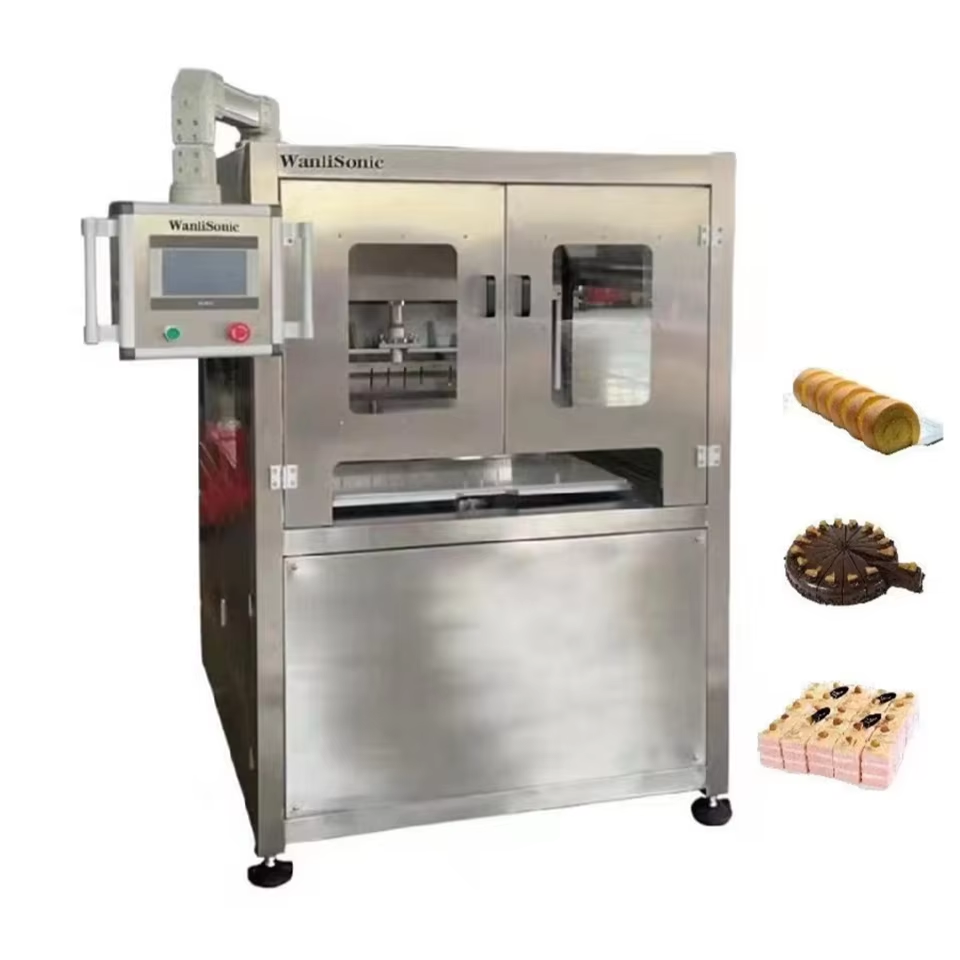
ဖုန်းပုံစံ ကေက်များကို အရီးအသဲအထိ ထုတ်လုပ်ရာတွင် ဖြတ်ခြင်းနှင့် ထုပ်ပိုးခြင်းလုပ်ငန်းစဉ်သည် ထုတ်ကုန်၏ ပုံပန်းသွင်ပြင်၊ ထုတ်လုပ်မှု စွမ်းဆောင်ရည်နှင့် စုစုပေါင်း ထုတ်လုပ်မှုစရိတ်များကို ဆုံးဖြတ်ရာတွင် အရေးပါသော အခန်းကဏ္ဍမှ ပါဝင်ပါသည်။ လက်ရှိတွင် အဓိက မုန့်ဖုတ်စက်များကို အများအားဖြင့် အုပ်စုနှစ်များအဖြစ် အောက်ပါအတိုင်း ခွဲခြားနိုင်ပါသည်။ ဝမ်လစ်ဆွနစ် အလံတောက်ခြင်းဖြင့် ဖုန်းပုံစံ ကေက်များကို ဖြတ်ပြီး ထုပ်ပိုးပေးသည့် စက် နှင့် ရိုးရာ ယန္တရားဖြင့် ဖြတ်သည့်စက်များ။ ဤနည်းလမ်းနှစ်များသည် အဓိက စွမ်းရည်များနှင့် လက်တွေ့ထုတ်လုပ်မှု ရလဒ်များတွင် သိသိသာသာ ကွဲပြားမှုရှိပါသည်။
အရေးကြီးသော ထုတ်လုပ်မှုလိုအပ်ချက်များအပေါ် အခြေခံ၍ ဤဆောင်းပါးတွင် အောက်ပါ အရေးကြီးသော အရံ (၅) ခုအတွင်း စနစ်ကြီးမှ နှိုင်းယှဉ်မှုကို ပေးထားပါသည်။ ဖြတ်ခြင်းစွမ်းရည်၊ ထုတ်လုပ်မှုစွမ်းဆောင်ရည်၊ စုစုပေါင်းစရိတ်၊ အသုံးပြုမှုအခြေအနေများနှင့် အပိုအင်္ဂါရပ်များ — မုန့်ဖုတ်လုပ်ငန်းများအနက် ထုတ်လုပ်မှုစက်များကို ရွေးချယ်ရာတွင် လက်တွေ့အသုံးဝင်သော ကူညီမှုအဖြစ် ပေးထားပါသည်။
ဖြတ်တောက်မှုအရည်အသွေးသည် ဆွစ်ရောလ်ထုတ်ကုန်များ၏ မြင်သာသော အလှအပနှင့် ဖွဲ့စည်းပုံဆိုင်ရာ တည်ငြိမ်မှုကို တိုက်ရိုက်သတ်မှတ်ပေးပါသည်။ အဆိုပါစက်ကိရိယာနှစ်မျိုးသည် တိကျမှု၊ ပစ္စည်းများကို ကာကွယ်မှုနှင့် အပြီးသတ်ထုတ်ကုန်များ၏ တစ်သေးတည်းဖြစ်မှုတွင် ထင်ရှားသော ကွဲပြားမှုများကို ပြသပါသည်။
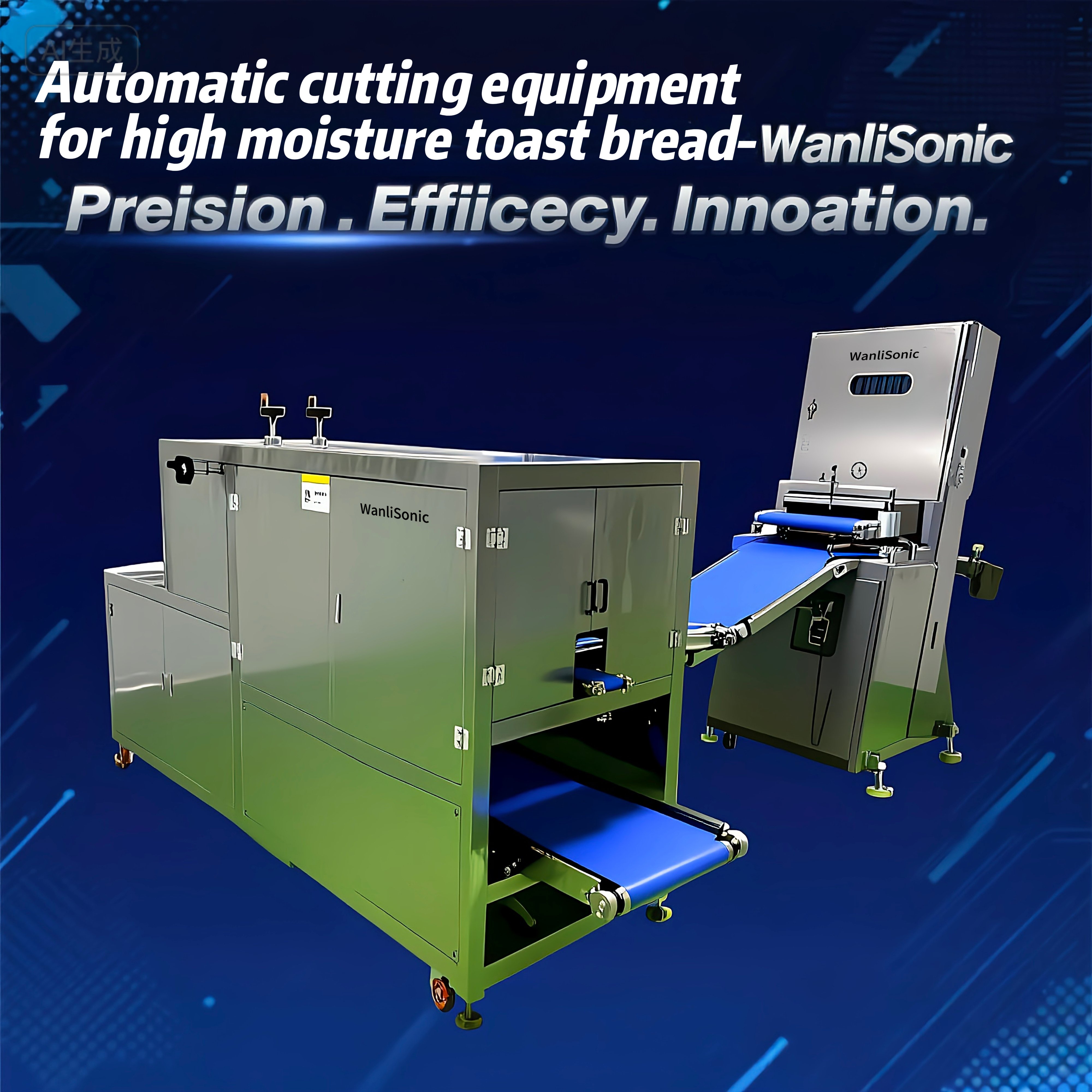
အ ဝမ်လစိုနစ် အလံတောက်ဖြတ်တောက်မှုစက် (Ultrasonic Swiss Roll Cutting Machine) အမြင့်မှုန်းသော ဗိုလ္တ်စ်ခေါင်းလောင်းဖြတ်တောက်မှုနည်းပညာကို အသုံးပြုပြီး အမှန်တကယ် မပျက်စီးစေသော ဖြတ်တောက်မှုကို အောင်မြင်စွာ ဆောင်ရွက်ပေးပါသည်။ ၎င်း၏ အားသာချက်များမှာ အောက်ပါအတိုင်းဖြစ်ပါသည်။
ပထမအားဖြင့် ဖြတ်တောက်မှုမျက်နှာပုံသည် ချောမ်းပါးပါးနှင့် မှုန်မှုန်မှုန်မှုန်မှုန်မှုန်မှုန်မှုန်မှုန်မှုန်မှုန်မှုန်မှုန်မှုန်မှုန်မှုန်မှုန်မှုန်မှုန်မှုန်မှုန်မှုန်မှုန်မှုန်မှုန်မှုန်မှုန်မှုန်မှုန်မှုန်မှုန်မှုန်မှုန်မှုန်မှုန်မှုန်မှုန်မှုန်မှုန်မှုန်မှုန်မှုန်မှုန်မှုန်မှုန်မှုန်မှုန်မှုန်မှုန်မှုန်မှုန်မှုန်မှုန်မှုန်မှုန်မှုန်မှုန်မှုန်မှုန်မှုန်မှုန်မှုန်မှုန်မှ......
ဒုတိယအားဖြင့် ခရင်မ်၊ ဂျမ်နှင့် မူစ်ကဲ့သို့သော ကပ်လုပ်သော အပြည့်အဝ်များအတွက် အလံတောက်ဖြတ်တောက်မှု၏ ဗိုလ္တ်စ်ခေါင်းလောင်းမှ ဖြတ်တောက်မှုနေရာတွင် အနည်းငယ်သော အပူဖြင့် ပိတ်ပေးခြင်းကို ဖန်တီးပေးပါသည်။ ထို့ကြောင့် ကပ်လုပ်မှုနှင့် လွန်ကဲစွာ စီးထွက်မှုများကို ထိရောက်စွာ ကာကွယ်ပေးပါသည်။ ထို့ကြောင့် ထုတ်လုပ်မှုလိုင်းသည် သန့်ရှင်းမှုနှင့် တည်ငြိမ်မှုကို ထိန်းသိမ်းနေပါသည်။
တတိယအနက်၊ ဖြတ်တောက်မှု၏ တိကျမှုသည် အလွန်မြင့်မားပါသည်။ ဆာဗိုမော်တာမှ လှုပ်ရှားမှုကို တိကျစွာ ညှိပေးခြင်းဖြင့် အမှားအမှင်ကို ±၀.၅mm အတွင်းတွင် ထိန်းညှိနိုင်ပါသည်။ ထို့ကြောင့် ထုတ်လုပ်မှုအရေအတွက်များပြားစွာရှိသည့်အခါတွင်ပါ ထုတ်ကုန်အရွယ်အစားကို တူညီစေနိုင်ပါသည်။
စတုတ္ထအနက်၊ ဖြတ်တောက်မှုအချိန်တွင် ယန္တရားမှ ဖိအားပေးခြင်းမရှိသောကြောင့် ကိုက်ခဲခြင်း၊ ပုံပျက်ခြင်း သို့မဟုတ် အတွင်းထည့်မှုများ ယိမ်းယိုးထွက်ခြင်းတို့ကို ကာကွယ်နိုင်ပါသည်။ အပြီးသတ်ထုတ်ကုန်၏ ထုတ်လုပ်မှုနှုန်းသည် 99%အထက်တွင် ထိန်းသိမ်းနိုင်ပါသည်။ ထို့ကြောင့် စွန်းထောက်မှုများကို သိသိသာသာ လျော့နည်းစေပါသည်။
ထို့ထက် ပိုမိုရှေးရေးကြီးသော ယန္တရားမှ ဖြတ်တောက်သည့် စက်ကွက်များသည် ဓားဖြင့် ဖိအားပေး၍ ဖြတ်တောက်ခြင်းကို အခြေခံပါသည်။ ထိုသို့သော နည်းလမ်းတွင် အကောင်းဆုံးမှုများစွာ ရှိပါသည်။
ယန္တရားမှ ဖိအားပေးမှုသည် မက်စ်အများအားဖြင့် ကိုက်ခဲ၏ အသွင်အပြင်ကို ပျက်စီးစေပါသည်။ ထို့ကြောင့် အမှုန်များ၊ ပိုမိုပျော့ပါးလာခြင်းနှင့် အလွှာများ မှုန်ဝါးလာခြင်းတို့ ဖြစ်ပေါ်ကာ အသွင်အပြင်အရေးအသားကို ဆိုးရွားစွာ ထိခိုက်စေပါသည်။ ကပ်ညှပ်နေသော အတွင်းထည့်မှုများသည် ဓားများပေါ်တွင် ကပ်နေလေ့ရှိပါသည်။ ထို့ကြောင့် ညစ်ညမ်းမှုများနှင့် ထွက်ကုန်များ ပေါ်ပေါက်လာခြင်းတို့ ဖြစ်ပေါ်ကာ သန့်ရှင်းရေးအကြိမ်ရေးများနှင့် ထုတ်လုပ်မှုအချိန် ရပ်ဆို့မှုများ တိုးပေါ်လာပါသည်။ ဖြတ်တောက်မှု၏ တိကျမှုသည် နိမ့်ပါသည်။ အမှားအမှင်များသည် အများအားဖြင့် ±1.5mm ထက် ပိုမိုများပါသည်။ ထို့ကြောင့် ထုတ်လုပ်မှုအရေအတွက်များပြားစွာရှိသည့်အခါတွင် တူညီမှုကို ထိန်းသိမ်းရာတွင် အခက်အခဲများ ဖြစ်ပေါ်ပါသည်။ ထို့အပြင် ဖိအားပေးမှုသည် မက်စ်ကို ကိုက်ခဲခြင်း သို့မဟုတ် ပုံပျက်ခြင်းတို့ကို ဖြစ်ပေါ်စေပါသည်။ ထုတ်လုပ်မှုနှုန်းသည် အများအားဖြင့် 85%–90%.
ထုတ်လုပ်မှု အကောင်အထည်ဖော်မှု စွမ်းရည်သည် စက်မှုအဆင့်မှု မုန့်ဖုတ်ခြင်းလုပ်ငန်းများတွင် ထုတ်လုပ်မှု စွမ်းရည်ကို တိုက်ရိုက် ဆုံးဖြတ်ပေးပါသည်။
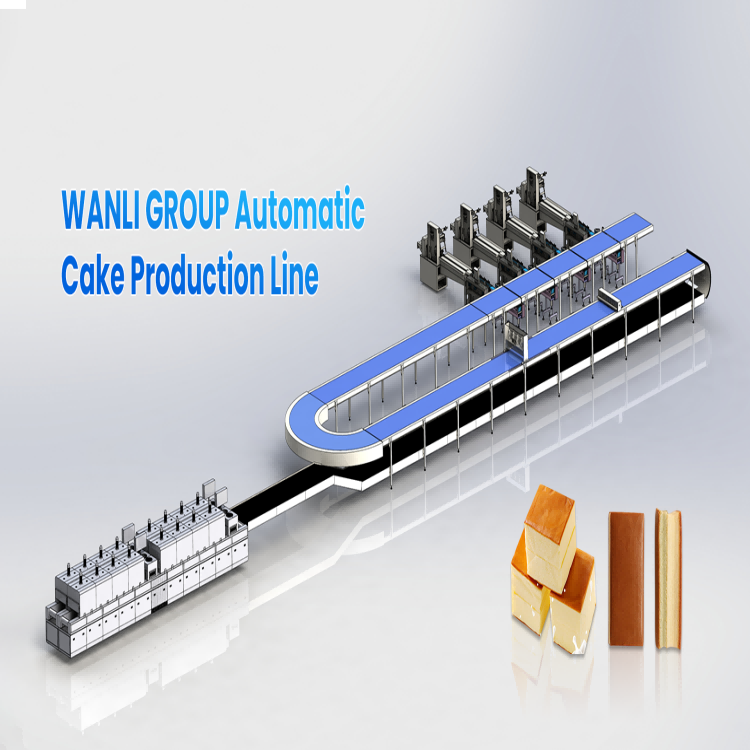
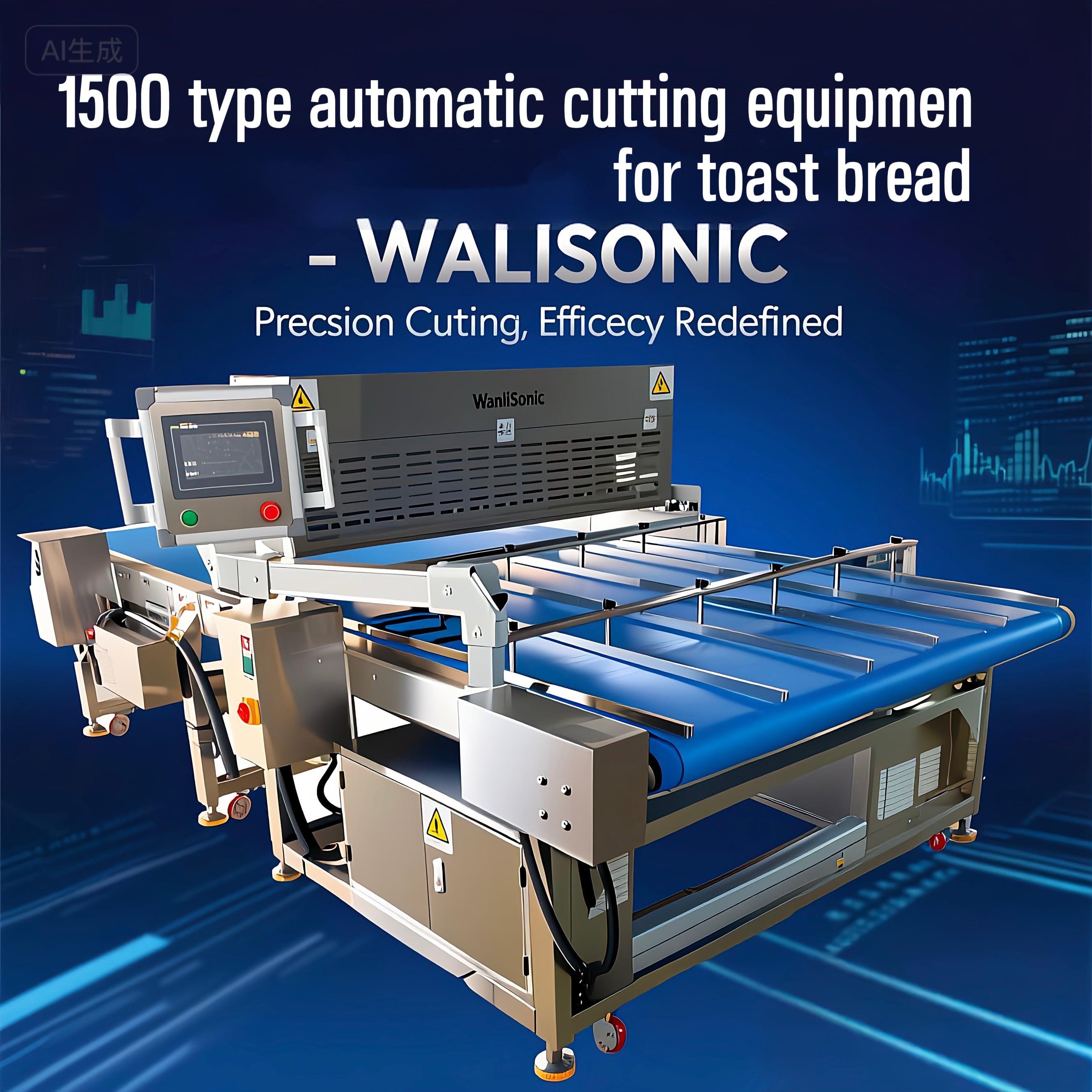
အ ဝမ်လစ်ဆွနစ် အလံတောင်း ကုန်းပ်ဖြတ်ခြင်းနှင့် ထုပ်ပိုးခြင်း ပေါင်းစပ်စနစ် ဤစနစ်သည် အဆက်မပါသော လုပ်ဆောင်မှုဒီဇိုင်းကို အပြည့်အဝ အသုံးပြုပြီး ဖြတ်ခြင်းနှင့် ထုပ်ပိုးခြင်းကို တစ်ခုတည်းသော အဆက်မပါသော လုပ်ငန်းစဉ်အဖြစ် ပေါင်းစပ်ပေးပါသည်။ ဤသို့ဖြင့် လုပ်ငန်းအဆင့်များကြား အနားယူခြင်းကို ဖျက်သိမ်းပေးပြီး အကောင်အထည်ဖော်မှု စွမ်းရည်ကို သိသိသာသာ မြင့်တင်ပေးပါသည်။
အရေးကြီးသော စွမ်းဆောင်ရည် စံနှုန်းများမှာ အောက်ပါအတိုင်းဖြစ်ပါသည်။
အထွက်စွမ်းရည် - ယူနစ်အလုပ်တစ်ခုလျှင် တံခါးတွင် ၈၀–၁၅၀၀ ခု/နာရီ
များစွာသော လိုင်းများကို အထောက်အပံ့ပေးခြင်း - တစ်ချိန်တည်းတွင် ၁–၁၀ ခုသော ရောလ်များကို ဖြတ်ခြင်း
စက်ပစ္စည်း အသုံးပြုမှုနှုန်း - ≥95%
လုပ်သမ်းများကို အစားထိုးခြင်း - စက်တစ်လုံးဖြင့် အလုပ်သမား ၅–၁၀ ဦးကို အစားထိုးနိုင်သည်
ကပ်နေမှုကို ကာကွယ်ပေးသည့် အလွန်မြင့်မားသော အသံလွန်စက်ဘလေးဒ်ဒီဇိုင်းသည် သန့်ရှင်းရေးအတွက် အချိန်ပိုင်း ရပ်နေမှုကို လျော့နည်းစေပြီး စဥ်ဆက်မပြတ် အလုပ်လုပ်နေမှုကို တည်ငြိမ်စေသည်။ အပြည့်အဝ အလိုအလျောက်စနစ်သည် ခေတ်မှီ အမြန်နှုန်းမြင့် ထုတ်လုပ်ရေးလိုင်းများကို ပံ့ပိုးပေးပြီး လက်ဖျားဖြင့် လုပ်ဆောင်ရသည့် လုပ်ငန်းများကို သိသိသာသာ လျော့နည်းစေသည်။
ရိုးရာ မော်ရော်နစ်ပိုင်းဆောင်းပေးသည့် စက်ကူးမှုများသည် အပိုင်းအစများခွဲ၍ လုပ်ဆောင်သည့် အချိန်ကာလအလိုက် လုပ်ဆောင်သည့် စနစ်ဖြင့် လုပ်ဆောင်ပါသည်။ ထိုစနစ်တွင် ဖြတ်ခြင်းနှင့် ထုပ်ပိုးခြင်းတို့သည် သ separate လုပ်ငန်းများဖြစ်ပြီး မကြာခဏ ညှိပေးရန်နှင့် ရပ်နေရန် လိုအပ်ပါသည်။ ထို့ကြောင့် အောက်ပါအတိုင်း ဖြစ်ပါသည်။
ထုတ်လုပ်မှု စွမ်းဆောင်ရည် နိမ့်ပါသည်။ ပုံမှန်အားဖြင့် ၄၀–၈၀၀ ခု/နာရီ ၊ အများအားဖြင့် တစ်ကြောင်းတည်းသော လုပ်ငန်းလိုင်းဖြင့် လုပ်ဆောင်ပါသည်။ ပစ္စည်းများ ကပ်နေခြင်းကြောင့် မကြာခဏ ဘလေးဒ်များကို သန့်ရှင်းရန် လိုအပ်ပါသည်။ ထို့ကြောင့် စက်ကို အသုံးပြုနေသည့် အချိန်အခါများသည် 75%ထက်နိမ့်ပါသည်။ ထို့အပ besides လုပ်ငန်းလိုင်းတစ်ခုလျှင် အလုပ်သမား ၃–၆ ဦး လိုအပ်ပါသည်။ ထို့ကြောင့် အလုပ်သမားစရိတ်များ မြင့်တက်လာပါသည်။ ထို့အပ alongside ထုတ်လုပ်မှုတွင် လူသားများနှင့် သက်ဆိုင်သည့် အပြောင်းအလဲများကို ဖြစ်ပေါ်စေပါသည်။
စရိတ်အရ အများကြီးကွဲပါသည်။ စနစ်နှစ်များသည် ရင်းနှီးမှုဖွဲ့စည်းပုံနှင့် နောက်ပိုင်းတွင် စီးပွားရေးအရ ထိရောက်မှုတွင် ကွဲပါသည်။
အ ဝမ်လစိုနစ် အလံတောက်ဖြတ်တောက်မှုစက် (Ultrasonic Swiss Roll Cutting Machine) “အစပိုင်းတွင် ရင်းနှီးမြှုပ်နှံမှုများပြီး နောက်ပိုင်းတွင် စရိတ်သက်သာခြင်း” ဟူသော မော်ဒယ်ကို လိုက်နာပါသည်။ အစပိုင်းတွင် စက်ကိရိယာများ၏ စုစုပေါင်းစရိတ်သည် 30%–60% ပိုများ သည်။ သို့သော် နောက်ပိုင်းတွင် စရိတ်သက်သာမှုများကို သိသိသာသာ ရရှိစေပါသည်။
အဆိုပါ ထိတ်တွေ့မှုမရှိသော ဖြတ်တောက်မှုကြောင့် ပစ္စည်းဆုံးရှုံးမှုကို 40%အလွန်ရှည်လျားသော သက်တမ်းရှိသော အလံတောက် ဓားများသည် ၅ သန်းကျော်သော ဖြတ်တောက်မှုများကို လုပ်ဆောင်နိုင်ပါသည်။ ၅ သန်းကျော်သော ဖြတ်တောက်မှုများ အထိ ဖြစ်ပါသည်။ ထို့ကြောင့် ဓားအသစ်များ အစားထိုးရန် အကြိမ်ရေအား လျော့နည်းပါသည်။ ထို့အတူ ပိုမိုနည်းပါသည်။ အလိုအလျောက်စနစ်ကြောင့် လုပ်သမ်းစရိတ်များကို သိသိသာသာ လျော့နည်းစေပါသည်။ အရွယ်အစားကြီးမားသော ထုတ်လုပ်မှု (တစ်နေ့လျှင် ၁၀,၀၀၀ ခု အထက်) အတွက် စက်ကိရိယာစရိတ်ကို အချိန်အတော်အတန်ကုန်ပါသည်။ 6 လ .
ရိုးရာ စက်မှုကိရိယာများသည် အစပိုင်းတွင် စရိတ်သက်သာသော်လည်း နောက်ပိုင်းတွင် လုပ်ဆောင်မှုစရိတ်များ ပိုများပါသည်။ ဓားများ မကြာခဏ ပျက်စေခြင်းကြောင့် ပိုမိုများပါသည်။ စက်မှုဖြင့် ဖိအားပေးခြင်းကြောင့် ပစ္စည်းဆုံးရှုံးမှုများ ပိုများပါသည်။ ထို့အပြင် လုပ်သမ်းများအပေါ် အချိန်ကြာမှုအတွင်း စုစုပေါင်းထုတ်လုပ်မှုစရိတ်များ သိသိသာသာ တက်လာပါသည်။ အထူးသဖြင့် အရွယ်အစားကြီးမားသော ထုတ်လုပ်မှုများတွင် လုပ်သမ်းစရိတ်များသည် အစပိုင်းတွင် စက်ကိရိယာစရိတ်များ သက်သာမှုကို ကျော်လွန်သော အချိန်များ ရှိပါသည်။
ထုတ်လုပ်မှုစနစ်များသည် စီးပွားရေးမော်ဒယ်များအလိုက် ကွဲပြားသည်။
အ Wanlsonic ယူလထရာဆောနစ်ဖြတ်ဖြတ်စနစ် အောက်ပါအတွက် အကောင်းဆုံးဖြစ်ပါသည်။
အကြီးစား မုန့်ဖုတ်စက်ရုံများ
စက်မှုလုပ်ငန်းအဆင့် အချိုပေါင်းများ ထုတ်လုပ်ရေးလိုင်းများ (တစ်နေ့လျှင် ၅၀၀၀ ခု အထက်)
အဆင့်မြင့် မုန့်ဆိုင်များ နှင့် အမှတ်တံဆိပ်ရှိ Swiss roll ထုတ်လုပ်သူများ
ခေါင်းလေးသော သို့မဟုတ် အပိုင်းအစ ခေါင်းလေးသော အချိုပေါင်းများ ထုတ်လုပ်ခြင်း
အလွန်မြင့်မားသော သန့်ရှင်းရေးစံနှုန်းများရှိသော ပတ်ဝန်းကျင်များ (HACCP / FDA အသိအမှတ်ပြုမှု)
လူသားများ၏ လက်တွေ့လုပ်ဆောင်မှု အနည်းငယ်သာ လိုအပ်သော အပြည့်အဝ အလိုအလျောက်ထုတ်လုပ်မှုလိုင်းများ
ထုတ်ကုန်များ၏ တူညီမှု၊ ပုံပန်းသွင်ပြင်အရည်အသွေးမြင့်မားမှုနှင့် စံနှုန်းထားသော အရှိန်အဟုန်မြင့် ထုတ်လုပ်မှုကို အလေးပေးသည့် လုပ်ငန်းများအတွက် အထူးသင့်တော်ပါသည်။
ရိုးရာ မက်ကန်းနစ်ပစ္စည်းများသည် အောက်ပါတို့အတွက် ပိုမိုသင့်တော်ပါသည်။
သေးငယ်သော မုန့်ဖုတ်လုပုံးများနှင့် အလုပ်ရုံများ (တစ်နေ့လျှင် ၃၀၀၀ မှ အထက် အလုပ်လုပ်နိုင်သည့် စွမ်းရည်)
ဘတ်ဂျက်နည်းသော စတင်သည့် ထုတ်လုပ်မှုလိုင်းများ
ထုတ်ကုန်များ အလှအပဆိုင်ရာ လိုအပ်ချက်များ နည်းပါသည်
ကပ်မှုမှုနည်းသော ဖြည့်စွက်မှုများနှင့် ရိုးရှင်းသော ကိတ်များ၏ ဖွဲ့စည်းပုံ
ထုတ်လုပ်မှုပမာဏနည်းပါသည်၊ လုပ်ဆောင်မှုများကို လွယ်ကူစွာ ပြောင်းလဲနိုင်သည့် ပတ်ဝန်းကျင်
အဓိက စွမ်းဆောင်ရည်များကို ကျော်လွန်၍ စနစ်ပေါင်းစည်းမှုနှင့် အလိုအလျောက်စနစ်အဆင့်သည် ဤဖြေရှင်းနည်းနှစ်များကို ပိုမိုခွဲခြားပေးပါသည်။
အ ဝမ်လစ်ဆွနစ် စနစ် အဆင့်မြင့် အလိုအလျောက်စနစ် စွမ်းရည်များကို ပေးစေပါသည်။
အပြည့်အဝ ပေါင်းစပ်ထားသော “လှည့်ခြင်း–ဖြတ်ခြင်း–ထုပ်ပိုးခြင်း–အချောသွင်းခြင်း” လိုင်းချိတ်ဆက်မှု
အစားအသောက်အတွက် သင့်လျော်သော စတီလ်သံမဏိ (304/316) ဖွဲ့စည်းမှု
အဆိုပ်မှုန်းမှုများ သိမ်းဆည်းနိုင်သော PLC အသိဉာဏ်ရှိ ထိန်းချုပ်စနစ်
အကွင်းအမှားအကြောင်း သတိပေးခြင်းနှင့် အဝ remote စောင်းကြည့်ခြင်း လုပ်ဆောင်ခွင့်များ
များစွာသော SKU ထုတ်လုပ်မှုအတွက် ထုတ်ကုန်များကို အမြန်ပြောင်းလဲနိုင်ခြင်း
သန့်ရှင်းရန် လွယ်ကူပြီး မော်ဂျူလာအလွယ်တက် ပြုပြင်နိုင်သော ဒီဇိုင်း
၎င်း၏ အကောင်းဆုံး အားနည်းချက်မှာ အစပိုင်းတွင် ရင်းနှီးမှုအတွက် နှိုင်းယှဉ်ပါက အတော်လေးမြင့်မားသော အစိုးရအရင်းအမြစ်လိုအပ်ခြင်းဖဲ့သာ
ရှေးရိုးစွဲ စနစ်များတွင် ပေးစောင်းသည် –
ရိုးရှင်းသော ယန္တရားဖွဲ့စည်းမှုနှင့် လွယ်ကူစွာ အသုံးပြုနိုင်ခြင်း
စုံစမ်းမှုစုံစမ်းမှုန်းန်းန်းန်းန်းန်းန်းန်းန်းန်းန်းန်းန်းန်းန်းန်းန်းန်းန်းန်းန်းန်းန်းန်းန်းန်းန်းန်းန်းန်းန်းန်းန်းန်းန်းန်းန်းန်းန်းန်းန်းန်းန်းန်းန်းန်းန်းန်းန်းန်းန်းန်းန်းန်းန်းန်းန်းန်းန်းန်းန်းန်းန်းန်းန်းန်းန်းန်းန်းန်းန်းန်းန်းန်းန်းန်းန်းန်းန်းန်းန်းန်းန်းန်းန်းန်းန်းန်းန်းန်းန်းန်းန်းန်းန်းန်းန်းန်းန်းန်းန်......
အထူးပြုသည့် နည်းပညာဆိုင်ရာ လေ့ကျင်မှု မလိုအပ်ပါ
သို့သော် ၎င်းတို့သည် အလိုအလျောက်စနစ်ချိတ်ဆက်မှု မရှိခြင်း၊ လုပ်ငန်းစဉ်များအကြား လက်ဖျားဖြင့် ကိုင်တွယ်ရန် လိုအပ်ခြင်း၊ သန့်ရှင်းရေးထိန်းချုပ်မှု အားနည်းခြင်း၊ အရည်အသွေး တည်ငြိမ်မှုနည်းပါးခြင်းနှင့် အချိန်ကြာလာသည်နှင့်အမျှ ယန္တရားမှ ပုံပိုင်းဆိုင်ရာ ပျက်စီးမှု ပိုများလာခြင်းတို့ ရှိပါသည်။
အခြေခံကွဲပြားမှုများမှာ ဝမ်လစ်ဆွနစ် အလံတော်မှုန်လှုပ်မှု ဆွီစ်ရောလ် ဖြတ်စက်များ နှင့် ရိုးရာ ယန္တရားမှုန်လှုပ်မှု ဖြတ်စက်များအကြားတွင် ခေတ်မီ အလိုအလျောက်စနစ် နှင့် ရိုးရာ လက်ဖျားဖြင့် လုပ်ဆောင်သည့် စနစ် အကြား ကွဲပြားမှုဖြစ်ပါသည်။ .
အထွက်နှုန်းမြင့်မှု၊ အရည်အသွေးမြင့်မှုနှင့် အရွယ်အစားကြီးမားသည့် စံချိန်စံညွှန်းအတိုင်း ထုတ်လုပ်မှုကို ရှာဖွေနေသည့် လုပ်ငန်းများအတွက် ဝမ်လစ်ဆွနစ် အလံတော်မှုန်လှုပ်မှု စက်များသည် ထုတ်လုပ်မှုနှုန်း၊ စုစုပေါင်းစရိတ်လျှော့ချရေးနှင့် ထုတ်ကုန်အရည်အသွေး တည်ငြိမ်မှုတို့တွင် ရှည်လျားသည့် အကျိုးကျေးဇူးများကို ပေးစွမ်းနိုင်သည့် အကောင်းဆုံးရွေးချယ်မှုဖြစ်ပါသည်။ ဘတ်ဂျက်နည်းပါးပြီး ထုတ်လုပ်မှုပမာဏနည်းသည့် သေးငယ်သည့် ထုတ်လုပ်သူများအတွက်မူ ရိုးရာစက်များသည် အခြေခံအဆင့် စတင်မှုအတွက် အသုံးဝင်သည့် ဖြေရှင်းနည်းဖြစ်ပါသည်။
စက်မှုလုပ်ငန်းအဆင့်မြင့်၊ စံချိန်စံညွှန်းအတိုင်း ထုတ်လုပ်မှုများ ဆက်လက်ဖွံ့ဖြိုးတိုးတက်လာသည်နှင့်အမျှ အလံတော်မှုန်လှုပ်မှု ဖြတ်စက်နည်းပညာသည် ခေတ်မီ ဆွီစ်ရောလ် ထုတ်လုပ်မှုတွင် အဓိကဖြေရှင်းနည်းအဖြစ် ပေါ်ပေါက်လာပါသည်။
မေးခွန်း ၁။ Wanlisonic အလျင်မြန်သော အသံလွှင့် စွပ်ထွင်းခြင်း စက်များ၏ အကောင်းဆုံး အားသာချက်မှာ အဘယ်နည်း။
ဖြေကြားချက်။ အဓိကအားသာချက်မှာ ပုံစံပြောင်းလဲမှုမရှိသော အတိအကျမြင့်မားသော ဖြတ်တောက်မှုဖြစ်ပြီး အနားများ ချောမွေ့ခြင်း၊ ပုံစံပြောင်းလဲမှုမရှိခြင်းနှင့် ထုတ်ကုန်အနှုန်းမြင့်မားခြင်းတို့ကို အာမခံပေးပါသည်။
မေးခွန်း ၂။ ကော်မှုန့် သို့မဟုတ် ဂျမ်များကဲ့သို့သော ကပ်နေသော အပိုများကို ဖြတ်တောက်နိုင်ပါသလား။
ဖြေကြားချက်။ အဖြေမှာ ဟုတ်ပါသည်။ အသံလွှင့် တုန်ခါမှုကြောင့် ကပ်နေမှုမှုန်းသွားပြီး ထွက်သွားမှုကို လျော့နည်းစေပါသည်။ ထို့ကြောင့် ကပ်နေသော သို့မဟုတ် အလွှာလွှာခွဲထားသော အပိုများအတွက် အကောင်းဆုံးဖြစ်ပါသည်။
မေးခွန်း ၃။ ဒါကို အသေးစား မုန့်ဆိုင်များတွင် အသုံးပြုနိုင်ပါသလား။
ဖြေကြားချက်။ ဤစက်များကို အဓိကအားဖြင့် အလတ်စားမှ အကြီးစားထုတ်လုပ်မှုများအတွက် ဒီဇိုင်းထုတ်ထားပါသည်။ ထုတ်လုပ်မှုပမာဏ နည်းပါးသော အသေးစား မုန့်ဆိုင်များအတွက် ရိုးရိုးရှင်းရှင်း စက်များကို စျေးနောက်ကြောင်းအရ ပိုမိုစီးပွားရေးကောင်းမှုရှိပါသည်။
မေးခွန်း ၄။ အသံလွှင့် ဓား၏ အသက်တာမှာ မည်မျှကြာမည်နည်း။
ဖြေကြားချက်။ ဓားသည် ပုံမှန်အားဖြင့် ထိန်းသိမ်းမှုအနည်းငယ်ဖြင့် ဖြတ်တောက်မှု ၅ သန်းကျော်အထိ အသုံးပြုနိုင်ပါသည်။
မေးခွန်း ၅။ အပြည့်အဝ အလိုအလျောက် ထုတ်လုပ်မှုလိုင်းများကို ထောက်ပံ့ပေးပါသလား။
ဖြေကြားချက်။ ဟုတ်ပါသည်။ ဖြတ်တောက်ခြင်း၊ ထုပ်ပိုးခြင်းနှင့် အချောအမွေ့ပြုလုပ်ခြင်းတို့ပါဝင်သော အပြည့်အဝ အလိုအလျောက် မုန့်ထုတ်လုပ်မှုလိုင်းများတွင် ထိုစက်များကို ပေါင်းစပ်အသုံးပြုနိုင်ပါသည်။
Wanlisonic အကြောင်း
Wanlisonic သည် လတ်ဆတ်သောနှင့် အေးခဲထားသော အချိုပွဲနှစ်မျိုးလုံး ထုတ်လုပ်သော မုန့်ဖုတ်ဆိုင်များအတွက် လုပ်ငန်းနယ်ပယ်တွင် ဦးဆောင်နေသော အပိုင်းခွဲစက်ကိရိယာများကို ထုတ်လုပ်သည်။ ၁၉၉၈ ခုနှစ်မှစ၍ မုန့်ဖုတ်သူများသည် ချိစ်ကိတ်၊ ပိုင်များ၊ အလွှာလိုက်ကိတ်များ၊ မုန့်လုံးများ၊ ထောပတ်၊ ဒိန်ခဲ၊ ပီဇာနှင့် ဆန်းဒဝှစ်ချ်များ အပါအဝင် ထုတ်ကုန်အမျိုးမျိုးကို ဖြတ်တောက်၊ ပိုင်းခြားပြီး အပိုင်းပိုင်းခွဲရန် Wanlisonic စက်များကို အားကိုးခဲ့ကြသည်။
Wanlisonic သည် စတင်တည်ထောင်သော မုန့်ဖုတ်ဆိုင်များနှင့် ပမာဏများစွာပါဝင်သော စီးပွားဖြစ်ထုတ်လုပ်မှုစက်ရုံများ နှစ်မျိုးလုံးအတွက် စိတ်ကြိုက်ပြင်ဆင်ထားသော အဆင့်မြင့် ultrasonic ဖြတ်တောက်ခြင်းဖြေရှင်းချက်များကို ပေးပါသည်။ ကျစ်လစ်သော သီးခြားစက်များသည် manual သို့မဟုတ် semi-automatic လည်ပတ်မှုများအတွက် အသင့်တော်ဆုံးဖြစ်ပြီး အပြည့်အဝပေါင်းစပ်ထားသော inline နှင့် robotic စနစ်များသည် မြန်နှုန်းမြင့်၊ ကြီးမားသောထုတ်လုပ်မှုပတ်ဝန်းကျင်များကို ပံ့ပိုးပေးပါသည်။
ဝမ်လစ်ဆွနစ်သည် အတိုင်းတာအတွင်းနှင့် အတိုင်းတာအပြင် အသုံးပြုနိုင်သည့် အသံလွန်မှုနည်းပညာဖြင့် ဖုတ်ပေးသည့် အများအပြားသော စက်များကို ပေးဆောင်ပါသည်။ ထုတ်လုပ်မှုစွမ်းရည်များသည် တစ်နှစ်လျှင် ကိတ်များ သို့မဟုတ် ပိုင်းကိတ်များ ၈၀ မှ ၁၅၀၀ ခုအထိ ရှိပါသည်။
Wanlisonic ရဲ့ အာထရာဆောင်းဖြတ်တောက်မှုစနစ်တွေက ဖြတ်တောက်မှုတိကျမှုကို မြှင့်တင်ပေးပြီး နောက်ဆုံးထုတ်ကုန်တင်ဆက်မှုကို သိသိသာသာ တိုးတက်ကောင်းမွန်စေပါတယ်။ ထို့အပြင် ဖြတ်တောက်မှုအမြန်နှုန်း၊ ထိရောက်မှုနှင့် တိကျမှုကို မြှင့်တင်ပေးတာကြောင့် ထုတ်ကုန်တိုင်းနဲ့ တစ်သမတ်တည်း ပရော်ဖက်ရှင်နယ်ရလဒ်တွေကို သေချာစေပါတယ်။
ကက်သီ ချင် (အကြီးတန်း ဖောက်သည်အကူအညီပေးသူ)
📧 Email: [email protected]
📞 ဖုန်း / WhatsApp / WeChat - +86 152 8060 7730
 အရေးကြီးသော သတင်းများ
2026-07-08
2026-04-01
2026-05-25
2026-03-19
2026-03-16
2025-12-14