ข้อมูลติดต่อ
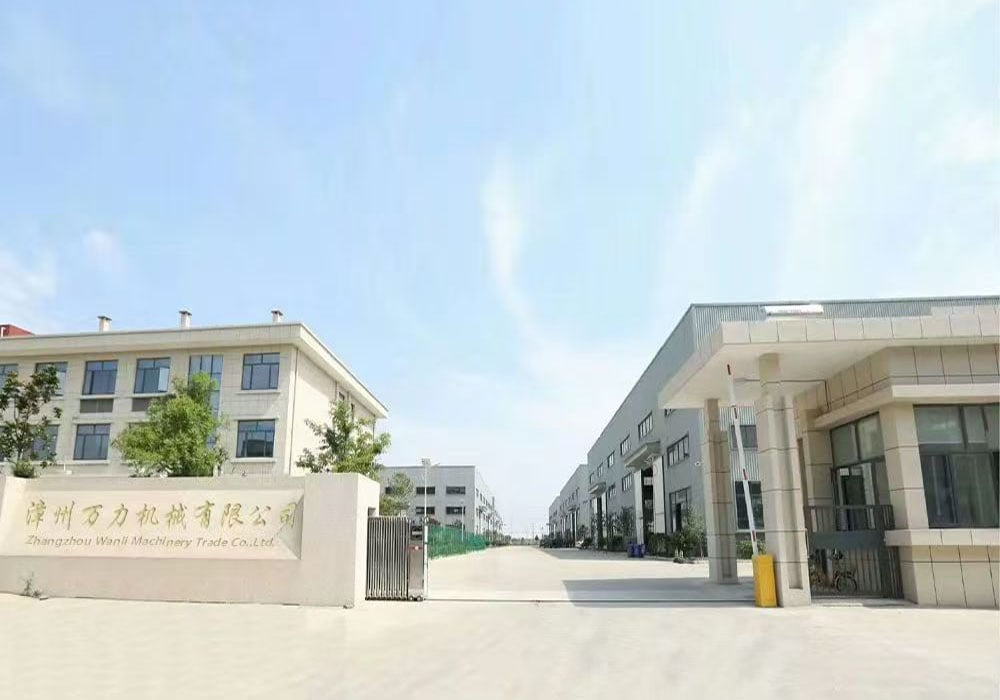
Unit 1011, Pingning Industrial, Longhai District, Zhangzhou City, Fujian Province
New York.
Unit 1011, Pingning Industrial, Longhai District, Zhangzhou City, Fujian Province
New York.

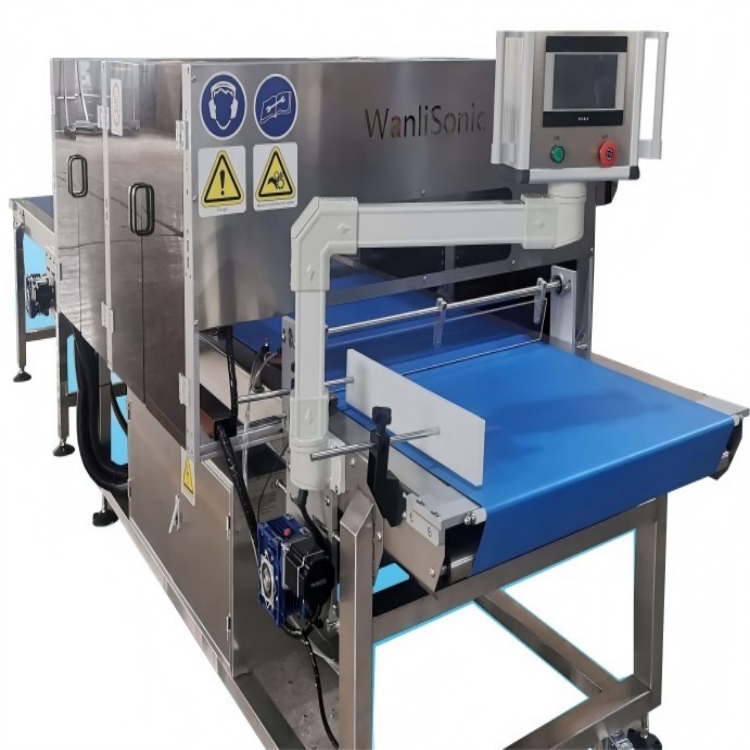
ในอุตสาหกรรมเบเกอรี่ที่เปลี่ยนแปลงอย่างรวดเร็วในปัจจุบัน อุปกรณ์ตัดเค้กด้วยคลื่นอัลตราโซนิกได้กลายเป็นทรัพย์สินที่จำเป็นสำหรับร้านเค้ก ร้านเบเกอรี่ และโรงงานแปรรูปของหวาน โดยเฉพาะอย่างยิ่ง เครื่องตัดมูสเค้กด้วยคลื่นอัลตราโซนิกยี่ห้อ Wanlisonic ได้รับการยกย่องอย่างกว้างขวางเนื่องจากประสิทธิภาพในการตัดที่แม่นยำ พื้นผิวรอยตัดที่เรียบเนียน และความสามารถในการตัดโดยไม่ทำให้เกิดเศษเค้กหรือการบิดเบี้ยว
การดำเนินงานที่มีเสถียรภาพของอุปกรณ์นี้สัมพันธ์โดยตรงกับประสิทธิภาพการผลิต ความสม่ำเสมอของผลิตภัณฑ์ และต้นทุนการดำเนินงานในระยะยาว ดังนั้น การบำรุงรักษาประจำวันอย่างเป็นระบบจึงเป็นหัวใจสำคัญในการยืดอายุการใช้งานและลดเวลาหยุดทำงานที่ไม่คาดคิดให้น้อยที่สุด ในทางปฏิบัติ การบำรุงรักษาเครื่องตัดเค้กด้วยคลื่นอัลตราโซนิกไม่ได้ซับซ้อนแต่อย่างใด โดยการเรียนรู้และปฏิบัติตามวิธีหลักๆ จำนวนหนึ่ง ได้แก่ การทำความสะอาดเป็นประจำ การตรวจสอบตัวแปลงสัญญาณ (transducer) การปรับแต่งพารามิเตอร์อย่างเหมาะสม และการบำรุงรักษาตามกำหนดเวลา สามารถยืดอายุการใช้งานของอุปกรณ์ได้บ่อยครั้งถึง 3–5 ปี ขณะเดียวกันก็ช่วยลดต้นทุนที่เกิดจากการสึกหรอลงอย่างมีนัยสำคัญ และรับประกันการผลิตที่มีเสถียรภาพ
การทำความสะอาดประจำวันเป็นขั้นตอนการบำรุงรักษาที่พื้นฐานที่สุด แต่ก็สำคัญที่สุด และมักถูกประเมินค่าต่ำเกินไป วัสดุตกค้าง เช่น มูส ครีม ช็อกโกแลต หรือน้ำเชื่อม อาจส่งผลกระทบโดยตรงต่อความแม่นยำในการตัด และเร่งกระบวนการเสื่อมสภาพของชิ้นส่วน หากไม่ได้รับการกำจัดออกอย่างเหมาะสม
หลังการใช้งานแต่ละครั้ง ควรทำความสะอาดอุปกรณ์ทันที ก่อนอื่น ตรวจสอบให้แน่ใจว่าได้ปิดเครื่องและถอดปลั๊กแล้ว รอจนกว่าใบมีดและระบบสั่นจะเย็นลงสนิทก่อนทำความสะอาด เพื่อหลีกเลี่ยงการไหม้หรืออันตรายจากไฟฟ้า สามารถใช้ผ้าเนื้อนุ่มชุบน้ำอุ่นเช็ดเบาๆ ที่ใบมีดและส่วนประกอบการสั่นได้ สำหรับคราบฝังแน่น สามารถใช้ผงซักฟอกชนิดอ่อนได้
ห้ามใช้แปรงแข็ง ใยเหล็ก หรือสารทำความสะอาดที่กัดกร่อนอย่างเด็ดขาด เนื่องจากอาจทำให้พื้นผิวใบมีดเสียหายและส่งผลต่อประสิทธิภาพของการสั่นสะเทือนแบบอัลตราโซนิก หลังการทำความสะอาด ชิ้นส่วนทั้งหมดต้องถูกทำให้แห้งสนิท โดยเฉพาะบริเวณระบบสั่นสะเทือนและพื้นที่รอยต่อ เพื่อป้องกันการเกิดสนิม วงจรลัด (short circuit) หรือความไม่เสถียรของประสิทธิภาพการทำงาน
ระบบสั่นสะเทือนแบบอัลตราโซนิก เครื่องตัดเค้กอัลตราโซนิก Wanlisonic ตัวแปลงสัญญาณเป็นองค์ประกอบหลักของ
แนะนำให้ตรวจสอบระบบการเชื่อมต่อของทรานส์ดิวเซอร์เป็นประจำทุกสัปดาห์ เพื่อให้มั่นใจว่าสายไฟทั้งหมดยึดแน่นและไม่มีอาการหลวม แก่หรือเสียหาย หากพบว่ามีสายไฟใดๆ เสื่อมสภาพ ควรเปลี่ยนทันทีเพื่อป้องกันการนำไฟฟ้าไม่ดีหรือความล้มเหลวในการทำงาน
ระหว่างการใช้งาน ควรใส่ใจด้วยว่าเสียงที่เกิดขึ้นมีความสม่ำเสมอหรือไม่ สถานะการทำงานปกติจะสร้างเสียงการสั่นสะเทือนอัลตราโซนิกที่มีความเสถียรและเรียบเนียน หากสังเกตเห็นเสียงผิดปกติ การสั่นสะเทือนที่แปรผัน หรือประสิทธิภาพการตัดลดลง ควรหยุดเครื่องทันทีเพื่อตรวจสอบ และหลีกเลี่ยงการใช้งานต่อไปภายใต้สภาวะผิดปกติ เพื่อป้องกันความเสียหายที่อาจรุนแรงขึ้นต่อระบบ
แนะนำให้ใช้บริการซ่อมบำรุงโดยผู้เชี่ยวชาญสำหรับการซ่อมแซมหรือเปลี่ยนทรานส์ดิวเซอร์ภายใน เพื่อให้มั่นใจในความปลอดภัยและความแม่นยำในการคืนค่าสมรรถนะ
การตั้งค่าพารามิเตอร์อย่างเหมาะสมมีบทบาทสำคัญต่อการยืดอายุการใช้งานของอุปกรณ์ ความแตกต่างของเนื้อเค้ก ความหนาแน่น และความหนาของการตัด ล้วนต้องการระดับพลังงานอัลตราโซนิกและความเร็วในการตัดที่ต่างกัน
การตั้งค่ากำลังไฟที่สูงเกินไปอาจเร่งให้หัวตัดและระบบสั่นสะเทือนสึกหรอเร็วขึ้น ในขณะที่การตั้งค่ากำลังไฟต่ำเกินไปอาจเพิ่มภาระการทำงานของเครื่องจักรเนื่องจากการตัดที่ไม่มีประสิทธิภาพ ดังนั้น การปรับแต่งอย่างแม่นยำตามความต้องการในการผลิตจริงจึงเป็นสิ่งจำเป็น
ก่อนเริ่มการผลิตเต็มรูปแบบ แนะนำให้ทำการทดลองตัดในขนาดเล็กเพื่อกำหนดค่าการตั้งค่าที่เหมาะสม นอกจากนี้ ควรหลีกเลี่ยงการใช้งานต่อเนื่องเป็นเวลานาน โดยแนะนำให้หยุดพักเครื่องเป็นเวลา 10–15 นาที หลังจากใช้งานต่อเนื่องเป็นเวลา 2–3 ชั่วโมง เพื่อให้ระบบได้คลายความร้อนและลดแรงกดดันจากความร้อนต่อชิ้นส่วนสำคัญ
นอกเหนือจากการทำความสะอาดและการตรวจสอบการปฏิบัติงานประจำวันแล้ว การบำรุงรักษาตามกำหนดเวลาถือเป็นสิ่งที่มีความสำคัญไม่แพ้กัน
ควรหล่อลื่นชิ้นส่วนที่เคลื่อนไหวทุกเดือนโดยใช้น้ำมันหล่อลื่นเฉพาะทาง เพื่อลดแรงเสียดทานเชิงกลและรับประกันการปฏิบัติงานอย่างราบรื่น ทุกไตรมาส ควรดำเนินการตรวจสอบโดยละเอียด ซึ่งรวมถึงการตรวจสอบความสึกหรอของใบมีด ความยืดหยุ่นของชิ้นส่วนที่สั่นสะเทือน และประสิทธิภาพโดยรวมของทรานสดิวเซอร์
ควรเปลี่ยนชิ้นส่วนที่สึกหรอมากเกินไปทันทีเพื่อป้องกันความเสียหายขั้นทุติยภูมิ นอกจากนี้ การจัดทำบันทึกอุปกรณ์อย่างละเอียด — รวมถึงเวลาการใช้งาน ประวัติการบำรุงรักษา และประวัติข้อผิดพลาด — จะช่วยให้ระบุแนวโน้มต่าง ๆ และทำนายความล้มเหลวที่อาจเกิดขึ้นล่วงหน้า ลดเวลาหยุดทำงานแบบไม่คาดคิด
โดยสรุป หัวใจสำคัญของการบำรุงรักษา Wanlisonic Ultrasonic Mousse Cake Cutting Machine คือ:
การทำความสะอาดทุกวัน การตรวจสอบทรานสดิวเซอร์ การปรับแต่งพารามิเตอร์ให้เหมาะสม และการบำรุงรักษาตามกำหนดเวลา
แม้ว่าภารกิจเหล่านี้จะเป็นเรื่องง่ายและใช้เวลาเพียงเล็กน้อยในแต่ละวัน แต่ก็สามารถยืดอายุการใช้งานของอุปกรณ์ได้อย่างมีนัยสำคัญ ลดต้นทุนการบำรุงรักษา และเพิ่มประสิทธิภาพการผลิตได้ ด้วยต้นทุนการลงทุนที่สูงสำหรับอุปกรณ์ตัดด้วยคลื่นอัลตราโซนิก การบำรุงรักษาอย่างเหมาะสมจึงไม่ใช่ค่าใช้จ่าย แต่เป็นกลยุทธ์การประหยัดต้นทุนในระยะยาว
ด้วยการรักษาอุปกรณ์ให้อยู่ในสภาพที่เหมาะสม ร้านเบเกอรี่สามารถมั่นใจได้ถึงคุณภาพการตัดที่สม่ำเสมอ ปรับปรุงรูปลักษณ์ของผลิตภัณฑ์ และยกระดับขีดความสามารถในการแข่งขันโดยรวมในตลาดขนมหวาน
คำถามที่ 1: ควรทำความสะอาดเครื่องตัดเค้กด้วยคลื่นอัลตราโซนิกบ่อยแค่ไหน?
ตอบ: ควรทำความสะอาดหลังจากแต่ละรอบการผลิต เพื่อป้องกันไม่ให้เศษวัสดุตกค้างส่งผลต่อประสิทธิภาพการทำงานและสุขอนามัย
คำถามที่ 2: หากประสิทธิภาพการตัดลดลง ฉันควรทำอย่างไร?
ตอบ: ตรวจสอบสภาพของทรานส์ดิวเซอร์และค่าพารามิเตอร์ที่ตั้งไว้ก่อนเป็นลำดับแรก หากปัญหายังคงมีอยู่ ให้หยุดการใช้งานทันทีและติดต่อฝ่ายสนับสนุนเทคนิค
คำถามที่ 3: ฉันสามารถใช้น้ำล้างเครื่องโดยตรงได้หรือไม่?
A: ไม่ใช่ แนะนำให้เช็ดด้วยผ้าชื้นเท่านั้น การล้างด้วยน้ำโดยตรงอาจทำให้ชิ้นส่วนไฟฟ้าเสียหาย
Q4: การบำรุงรักษาอย่างเหมาะสมสามารถยืดอายุการใช้งานของเครื่องจักรได้นานเท่าใด?
A: ด้วยการบำรุงรักษาอย่างเหมาะสม อายุการใช้งานของอุปกรณ์มักจะยืดออกไปได้อีก 3–5 ปี
เกี่ยวกับว่านลี่โซนิค
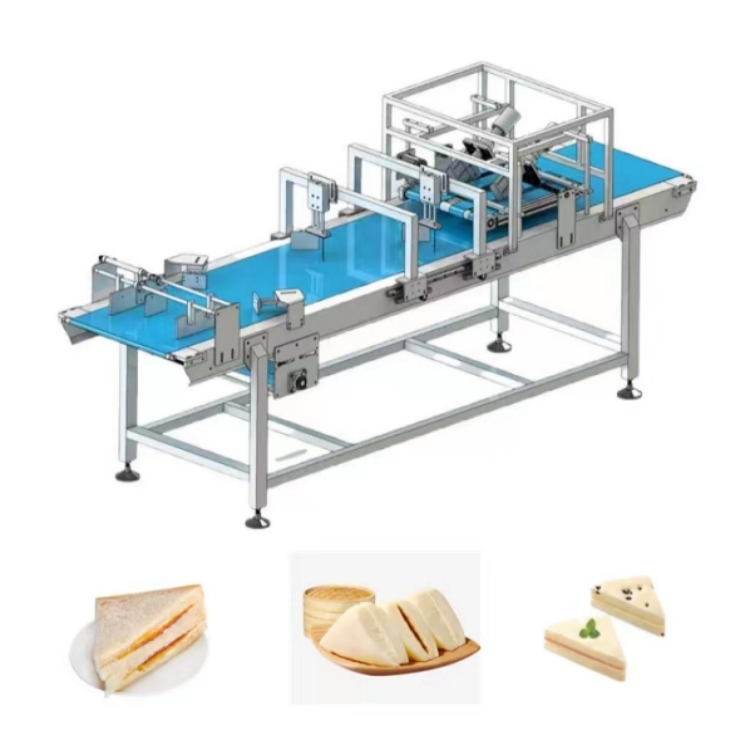
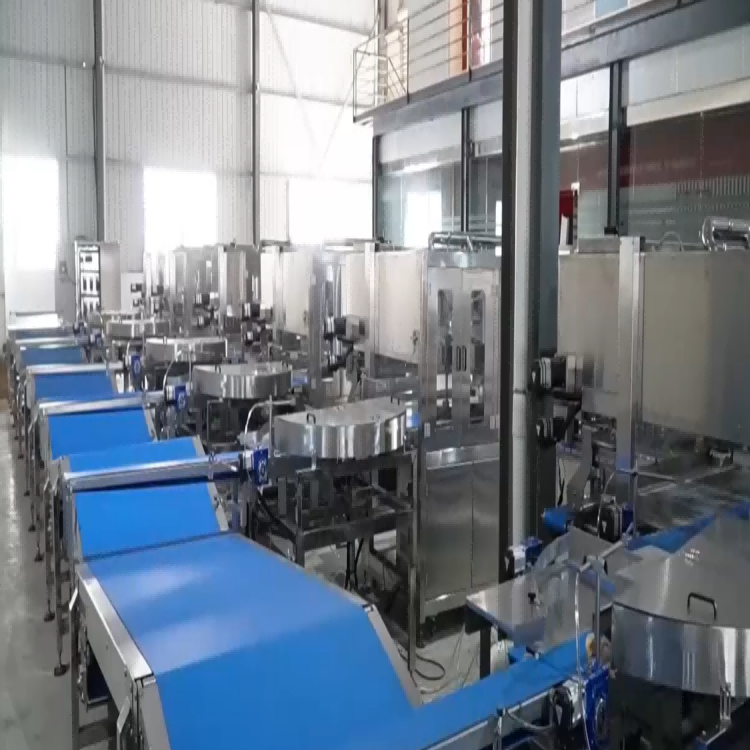
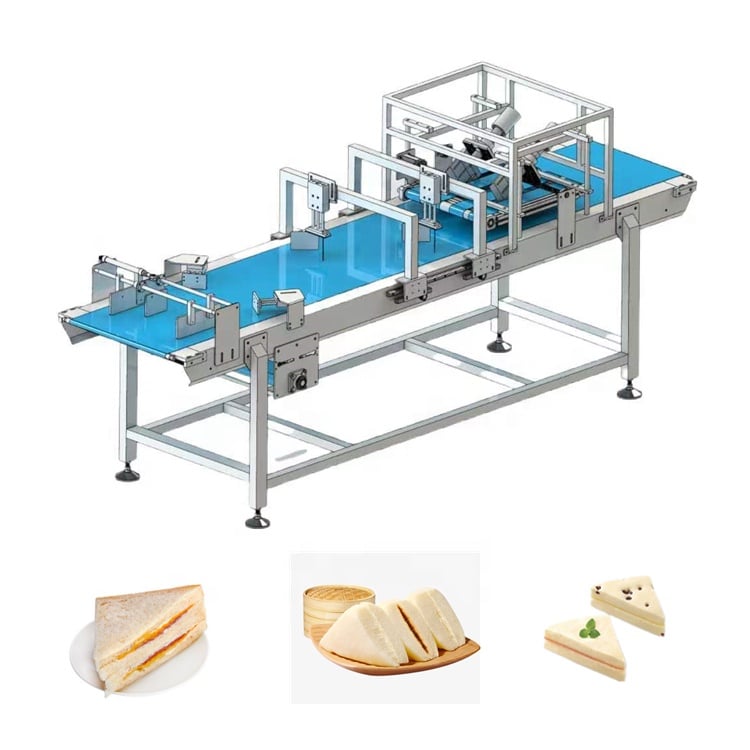
Wanlisonic เป็นผู้ผลิตอุปกรณ์แบ่งส่วนผลิตภัณฑ์ชั้นนำสำหรับอุตสาหกรรมเบเกอรี่ที่ผลิตทั้งขนมหวานสดและแช่แข็ง ตั้งแต่ปี 1998 เป็นต้นมา ผู้ผลิตเบเกอรี่ต่างไว้วางใจเครื่องจักรของ Wanlisonic ในการตัด หั่น และแบ่งส่วนผลิตภัณฑ์หลากหลายประเภท รวมถึงชีสเค้ก พาย เค้กหลายชั้น ขนมปัง เนย ชีส พิซซ่า และแซนด์วิช
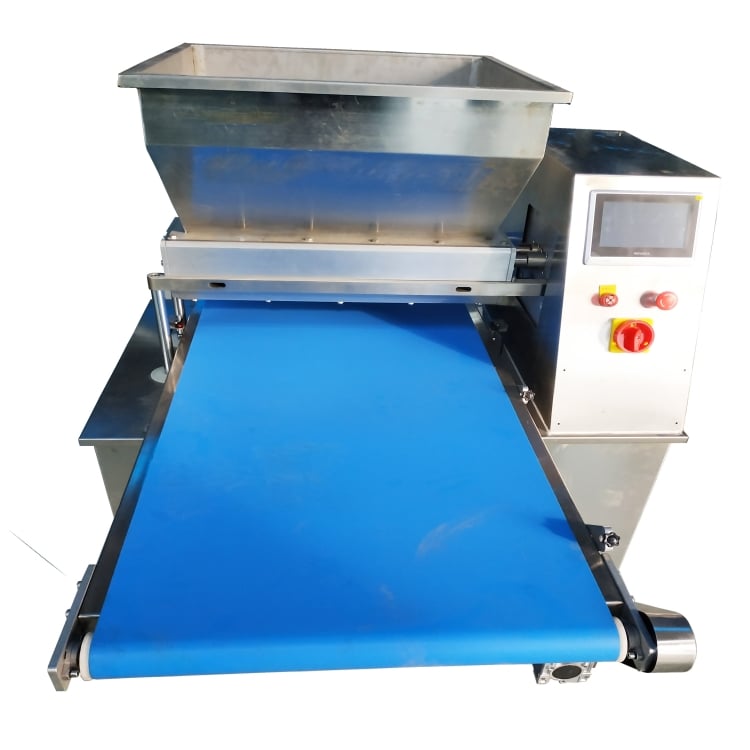
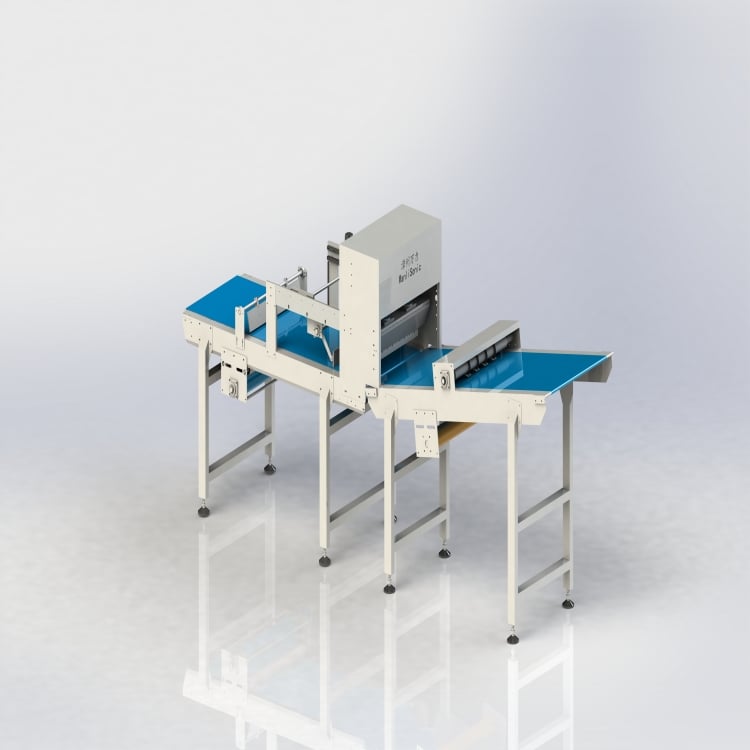
Wanlisonic นำเสนอโซลูชันการตัดด้วยคลื่นอัลตราโซนิคขั้นสูงที่ออกแบบมาให้เหมาะสมทั้งสำหรับโรงอบขนมขนาดเล็กและโรงงานผลิตเชิงพาณิชย์ขนาดใหญ่ เครื่องจักรแบบตั้งโต๊ะขนาดกะทัดรัดเหมาะสำหรับการใช้งานแบบแมนนวลหรือกึ่งอัตโนมัติ ในขณะที่ระบบแบบอินไลน์และระบบหุ่นยนต์แบบครบวงจรช่วยรองรับสภาพแวดล้อมการผลิตขนาดใหญ่และความเร็วสูง
Wanlisonic มีเครื่องหั่นด้วยคลื่นอัลตราซาวนด์หลากหลายรุ่นสำหรับการใช้งานทั้งแบบต่อเนื่อง (inline) และแบบไม่ต่อเนื่อง (offline) โดยมีกำลังการผลิตตั้งแต่ 80 ถึง 1,500 ชิ้นต่อชั่วโมง สำหรับเค้กหรือพาย
ระบบตัดด้วยคลื่นอัลตราโซนิคของ Wanlisonic ช่วยเพิ่มความแม่นยำในการตัดและปรับปรุงคุณภาพของผลิตภัณฑ์ขั้นสุดท้ายได้อย่างมาก นอกจากนี้ยังช่วยเพิ่มความเร็ว ประสิทธิภาพ และความแม่นยำในการตัด ทำให้มั่นใจได้ว่าผลลัพธ์ที่ได้จะมีความเป็นมืออาชีพอย่างสม่ำเสมอในทุกผลิตภัณฑ์
คุณแคธี่ เจิ้ง (ที่ปรึกษาลูกค้าอาวุโส)
📧 อีเมล: [email protected]
📞 โทรศัพท์ / WhatsApp / WeChat: +86 152 8060 7730
 ข่าวร้อนแรง
2026-07-08
2026-04-01
2026-05-25
2026-03-19
2026-03-16
2025-12-14