
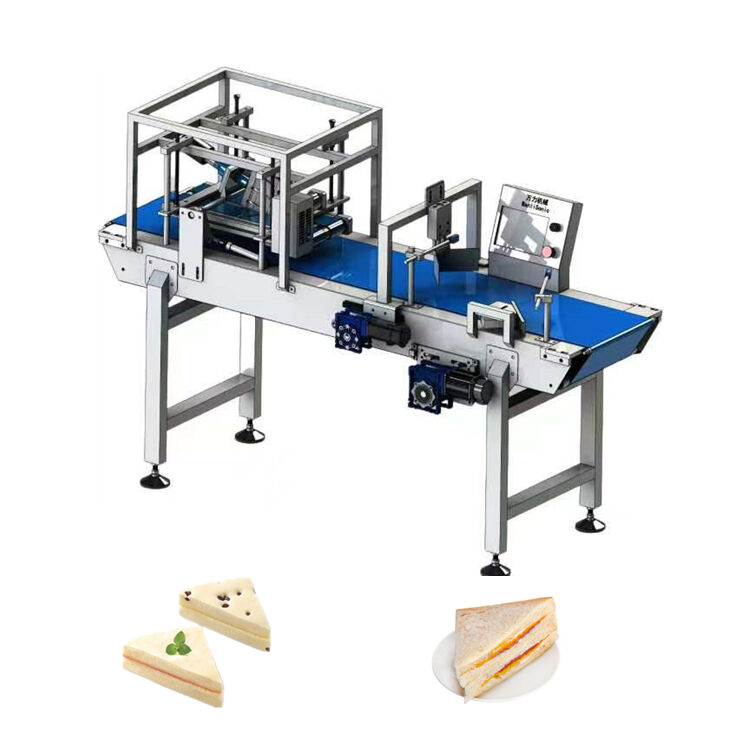
A mai gyorsan változó élelmiszeriparban a szendvicsek kényelmük, sokoldalúságuk és széles fogyasztói vonzerejük miatt alapvető termékké váltak. A kisboltoktól és a házhozszállítási szolgáltatásoktól kezdve a légitársaságok étkeztetési szolgáltatásain át a nagy léptékű események ellátásáig egyre növekvő igény mutatkozik a szabványosított, magas minőségű szendvicsek iránt. Ennek az igénynek való megfelelés érdekében a gyártók egyre inkább ultrahangos vágástechnológiát alkalmaznak – egy olyan megközelítést, amely jelentősen javítja a hatékonyságot, az egységességet és a termékminőséget.
Hagyományos vágási módszerekkel kapcsolatos kihívások
A hagyományos vágóeszközök – például forgó pengék, fűrészszalagok vagy mechanikus sajtók – gyakran nem képesek megfelelni a szendvicskészítés követelményeinek. Ezek a módszerek fizikai erőre támaszkodnak, ami összenyomhatja a puha kenyeret és zavarhatja a finom töltelékeket.
A gyakori problémák közé tartozik:
- A kenyér rétegeinek deformációja
- A töltelék elmozdulása vagy összenyomódása
- Az alapanyagok (pl. mártások és sajtok) tapadása a pengékhez
- Morzsák és szennyeződések keletkezése
- Folyamatos üzemelés közben az adagok méretének egyenetlensége
Ezen felül gyakori tisztítás szükséges a maradéklerakódások miatt, és az idővel bekövetkező pengékopás csökkentheti a vágási pontosságot. Ezek a korlátozások nemcsak a termék minőségét érintik, hanem növelik a leállási időt és az üzemeltetési költségeket is.
Hogyan működik az ultrahangos vágástechnológia
Az ultrahangos vágástechnológia hatékony alternatívát kínál. Ez egy piezoelektromos rendszert használ az elektromos energiának 20 kHz és 40 kHz közötti frekvenciájú mechanikai rezgésekké való átalakítására. Ezeket a rezgéseket a vágópengére továbbítják, amely gyorsan rezegve halad át a terméken.
Ez a folyamat alacsony ellenállású vágási környezetet teremt, lehetővé téve, hogy a pengének simán át kell haladnia a szendvicsen, anélkül, hogy összenyomná azt. Az eredmény egy tiszta, pontos vágás, amely minimális zavarást okoz a szendvics szerkezetében.
Az ultrahangos szendvicsvágás kulcselőnyei
1. Minimális vágási ellenállás
A rezgő pengének jelentősen csökkenti a súrlódást, így több réteget is könnyedén átvághat. A puha kenyér sértetlen marad, és az ízek eredeti helyükön maradnak.
2. Tiszta és jól meghatározott szélek
Az ultrahangos vágás éles, sima széleket eredményez anélkül, hogy húzná vagy elkené az összetevőket. Ez különösen fontos a vizuálisan vonzó, többrétegű szendvicsek esetében.
3. Nagy pontosság és konzisztencia
Amikor automatizált pozicionáló rendszerekkel kombinálják, az ultrahangos vágók nagyon ismételhető eredményeket érhetnek el. Minden adag azonos méretű marad, ami támogatja a szabványosított csomagolást és az árképzést.
4. Csökkent hulladék és magasabb kihozatal
Mivel a folyamat elkerüli a összenyomást és a tépést, a morzsaképződés minimális. Az anyagkihasználás meghaladhatja a 98%-ot, csökkentve a hulladékot és javítva a jövedelmezőséget.
5. Öntisztító hatás
A magas frekvenciás rezgés megakadályozza, hogy maradék tapadjon a pengéhez, csökkentve a tisztítás gyakoriságát és fenntartva a higiéniai előírásokat a folyamatos termelés során.
6. Hosszabb pengép élettartam
Az ultrahangos pengék kevesebb mechanikai igénybevételnek vannak kitéve, mint a hagyományos készek, így lassabban kopnak, és kevesebb karbantartást igényelnek.
Automatizált gyártósorokba való integráció
Egy tipikus gyártóberendezésben a teljes panel-szendvics szállítószalagon jut el a vágóállomásra. A megfelelő pozícionálás után az ultrahangos rendszer egy előre programozott vágássorozatot hajt végre.
Az egész folyamat – a pozícionálástól a végső vágásig – másodpercek alatt befejeződik. Ezt követően robotkarok vagy automatizált rendszerek továbbítják az egyes szendvicsrészeket a csomagolóvonalra, ahol lezárják vagy dobozolják őket.
Nagyobb termelési igény esetén a gyártók kétpengés rendszereket vagy többállomásos konfigurációkat is alkalmazhatnak, amelyek lehetővé teszik a folyamatos, nagysebességű működést megszakítás nélkül.
Gazdasági és minőségi előnyök
Bár az ultrahangos vágórendszerek nagyobb kezdeti beruházást igényelnek, a hosszú távú előnyök jelentősek. A javult kihozatal egyedül is több százalékponttal csökkentheti a nyersanyag-veszteséget, ami nagy léptékű műveletek esetén jelentős költségmegtakarításhoz vezet.
Ezen felül a konzisztensen tiszta és egységes minőségű termékek erősítik a márkaképet, és lehetővé teszik a prémium árképzést. A szennyeződési kockázat csökkenése és kevesebb termékhibás darab továbbá csökkenti a minőségellenőrzési költségeket.
Továbbá a karbantartási igény csökkenése és az állásidők rövidülése hozzájárul a berendezések általános hatékonyságának növeléséhez, így az ultrahangos vágás idővel költséghatékony megoldást nyújt.
Az ultrahangos élelmiszer-vágás jövőbeli irányzatai
Ahogy az élelmiszeripar egyre inkább az automatizálás és az intelligencia felé halad, az ultrahangos vágástechnológia is folyamatosan fejlődik. A legújabb innovációk közé tartoznak:
- Mesterséges intelligencián alapuló paraméter-optimalizálás
- Pontos igazításhoz használt látási rendszerek
- Automatizált mérési és ellenőrzési rendszerekkel való integráció
- A termék szövetének és vastagságának megfelelő adaptív vágás
A jövőben a gyártók akár egyetlen panelen belül is elérhetik a rugalmas vágási mintákat, így testreszabott adagolási méretekkel tudnak megfelelni a különféle piaci igényeknek.
A Wanlisonicról
A Wanlisonic a fejlett ultrahangos vágási megoldások szakértője az élelmiszer-feldolgozó iparban. Alapítása óta a vállalat a torták, szendvicsek, sajtok és pékségipari termékek vágására és adagolására szolgáló nagy teljesítményű berendezések fejlesztésére összpontosít.
A Wanlisonic széles skálájú megoldásokat kínál: a kompakt, önállóan működő gépektől kezdve a nagyüzemi termeléshez tervezett, teljesen automatizált soros rendszerekig.
A folyamatos technológiai fejlődés révén a Wanlisonic segít az élelmiszer-gyártóknak pontos, hatékony és higiénikus gyártási folyamatok elérésében.
Összegzés
Az ultrahangos vágástechnológia megbízható és hatékony megoldást kínál a modern élelmiszer-termelés kihívásaira – a szendvicsblokkoktól a tökéletesen adagolt egyéni adagokig. Tiszta vágások elérésének képessége, a termék integritásának megőrzése és a nagysebességű automatizáció támogatása miatt elengedhetetlen eleme az ipari szendvicsfeldolgozásnak.
A gyártók számára, akik a méret, a minőség és a hatékonyság kiegyensúlyozására törekszenek, az ultrahangos vágástechnológia egy jövőorientált beruházást jelent, amely javítja az üzemeltetési teljesítményt és az ügyfél-elégedettséget is.