
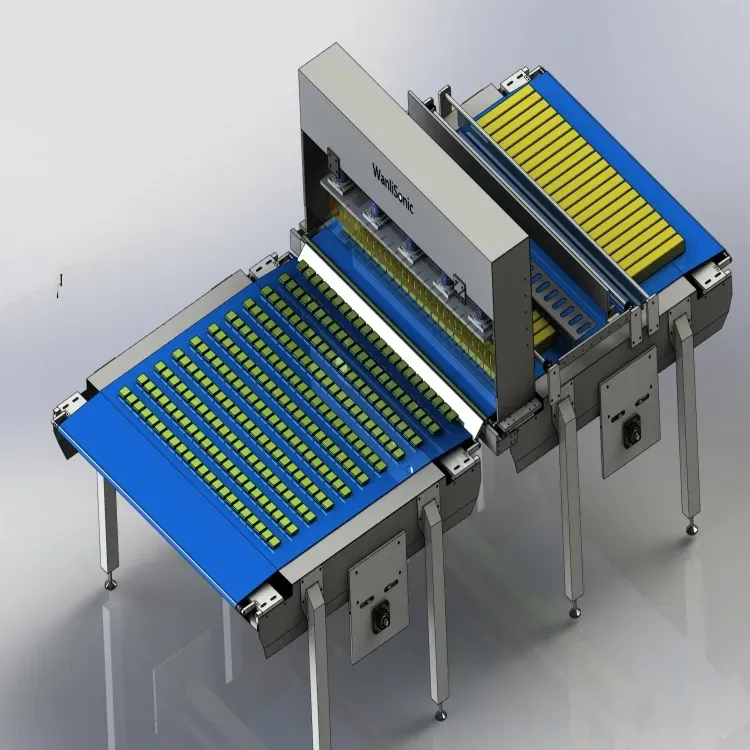
The Revolution in Professional Cake Cutting Technology
The art of perfectly slicing a round cake has long been a challenge in both commercial bakeries and professional kitchens. Today, inline slicers have emerged as the gold standard for achieving consistently perfect cake portions. These innovative machines combine precision engineering with practical functionality, transforming how bakeries and foodservice operations handle their cake cutting needs.
Core Features of Modern Inline Slicers
Advanced Blade Technology
Inline slicers utilize specially designed blades that maintain exceptional sharpness and durability. These blades are typically constructed from high-grade stainless steel, ensuring clean cuts without tearing or compressing the cake. The blade design incorporates specific angles and serration patterns that minimize friction and prevent product waste, allowing for optimal portion control and presentation quality.
Customizable Cutting Mechanisms
One of the most valuable features of inline slicers is their adjustable cutting system. Operators can easily modify slice thickness to meet various portion requirements, whether preparing wedding cake servings or standard dessert portions. The precision controls ensure each slice maintains consistent dimensions, which is crucial for both portion control and professional presentation.
Efficient Production Design
Modern inline slicers are engineered for maximum efficiency in commercial settings. Their streamlined design allows for quick loading and unloading of cakes, while integrated safety features protect operators during high-volume production periods. Many models include conveyor systems that smoothly transport sliced portions, maintaining the integrity of each cut while increasing overall productivity.
Benefits for Commercial Bakery Operations
Enhanced Productivity Metrics
The implementation of inline slicers in commercial bakeries has demonstrated significant improvements in production efficiency. These machines can process multiple cakes in rapid succession, dramatically reducing the time and labor traditionally required for manual cutting. Studies have shown that bakeries using inline slicers can increase their output by up to 300% compared to manual methods.
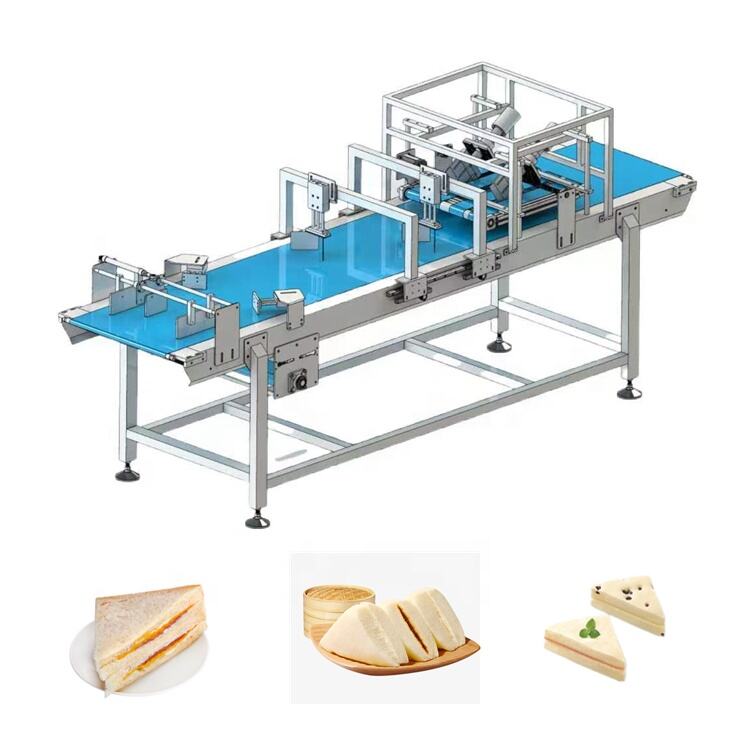
Quality Control Advantages
Consistency is paramount in commercial baking, and inline slicers deliver exceptional uniformity in every cut. This standardization ensures that customers receive identical portions, improving customer satisfaction and reducing product waste. The precise cutting action also maintains the structural integrity of each slice, preventing the common issues of crumbling or compression that often occur with manual cutting.
Cost-Effectiveness Analysis
While the initial investment in inline slicers may seem substantial, the long-term financial benefits are compelling. These machines reduce labor costs, minimize product waste, and increase production capacity. Additionally, the consistent portion control helps bakeries maintain accurate pricing and inventory management, contributing to improved profit margins.
Technical Considerations and Maintenance
Optimal Operating Parameters
To achieve the best results with inline slicers, operators must understand and maintain optimal operating conditions. This includes proper temperature control of the cakes being cut, as well as regular calibration of the cutting mechanism. Most inline slicers perform best when processing cakes at specific temperature ranges, typically between 35-40°F for fresh cakes and slightly colder for frozen products.
Cleaning and Sanitization Protocols
Maintaining strict hygiene standards is essential for food safety and equipment longevity. Inline slicers require regular cleaning and sanitization following industry standards. Many modern models feature tool-free disassembly for thorough cleaning, with components designed to be dishwasher safe. Implementing a regular cleaning schedule ensures consistent performance and compliance with food safety regulations.
Advanced Applications and Versatility
Multi-Product Compatibility
While primarily designed for round cakes, many inline slicers can handle various baked goods. Their versatility extends to cutting sheet cakes, cheesecakes, and even specialty desserts. This adaptability makes them valuable assets in diverse food production environments, from retail bakeries to large-scale manufacturing facilities.
Integration with Automation Systems
Modern inline slicers can be integrated into larger automated production lines, enhancing overall efficiency. Advanced models often include programmable controls and can interface with other equipment such as conveyors and packaging systems. This integration capability makes them ideal for facilities looking to modernize their production processes.
Frequently Asked Questions
How do inline slicers maintain blade sharpness over time?
Inline slicers utilize high-quality stainless steel blades with specialized coatings that resist dulling. Regular maintenance, including proper cleaning and periodic professional sharpening, ensures optimal blade performance. Many models also feature easily replaceable blade assemblies for consistent cutting quality.
What types of cakes work best with inline slicers?
Most inline slicers excel at cutting traditional round cakes, including layer cakes, pound cakes, and cheesecakes. The best results are achieved with properly chilled cakes that have a uniform density. Some specialized models can handle frozen cakes and those with various fillings or toppings.
How do inline slicers impact food safety compliance?
Modern inline slicers are designed with food safety in mind, featuring materials and construction that meet strict industry standards. They often include safety interlocks, easy-clean surfaces, and components that can be sanitized according to HACCP guidelines. Regular maintenance and proper cleaning protocols ensure continued compliance with food safety regulations.